
Last updated November 21, 2026
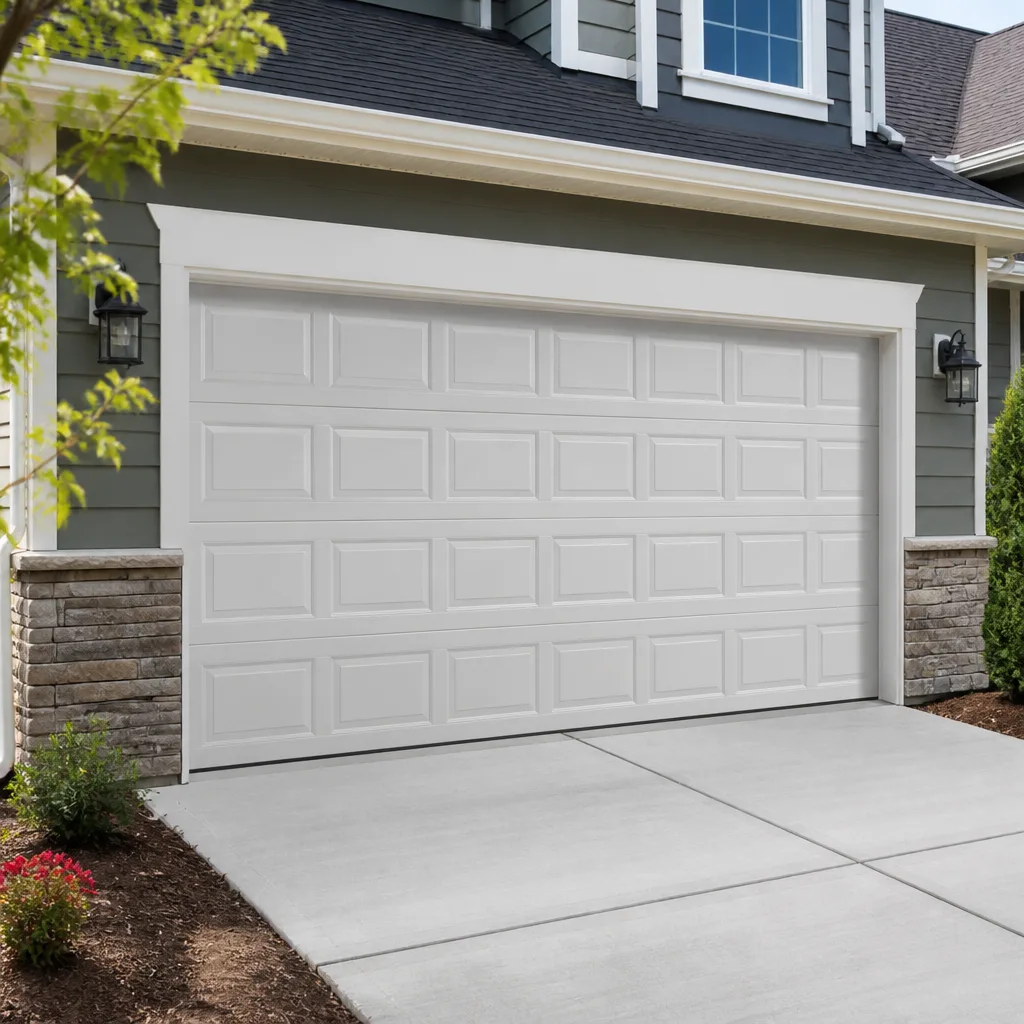 Raised-panel steel
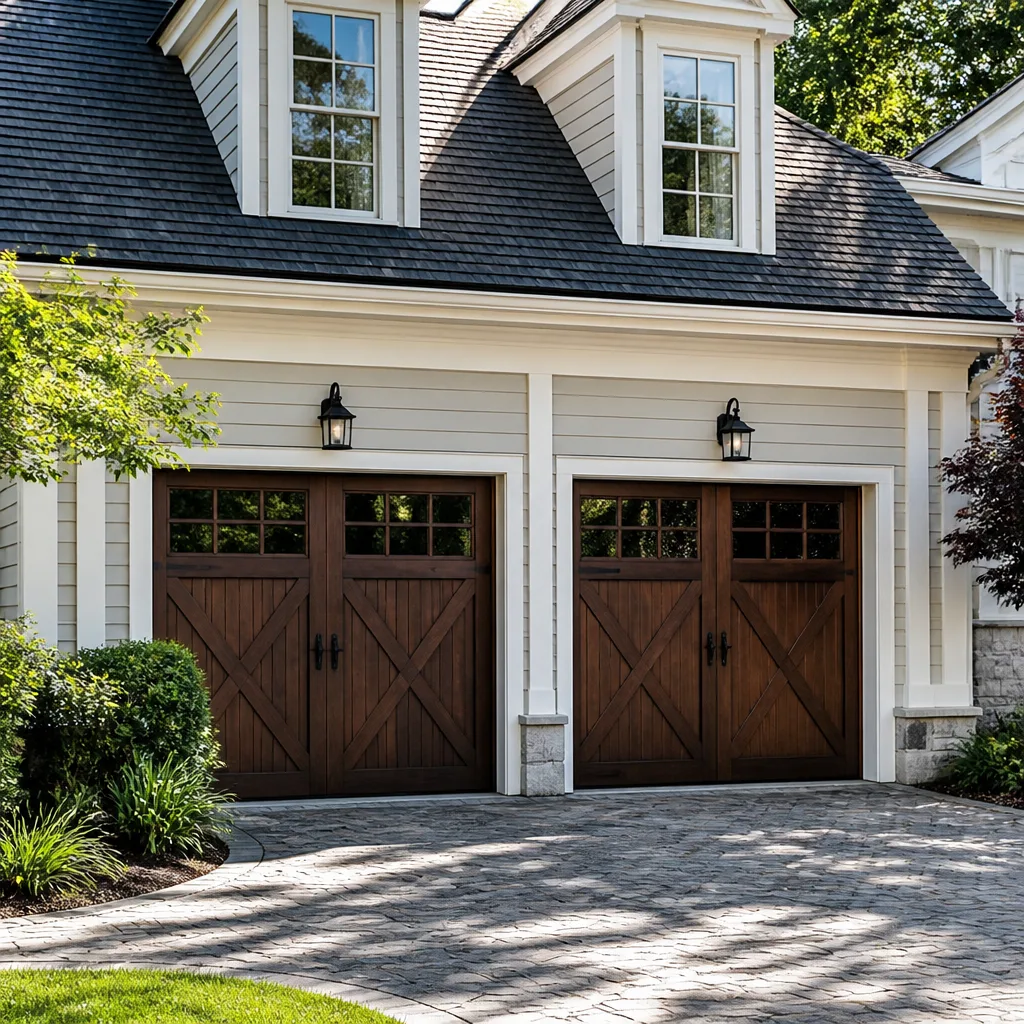 Carriage house
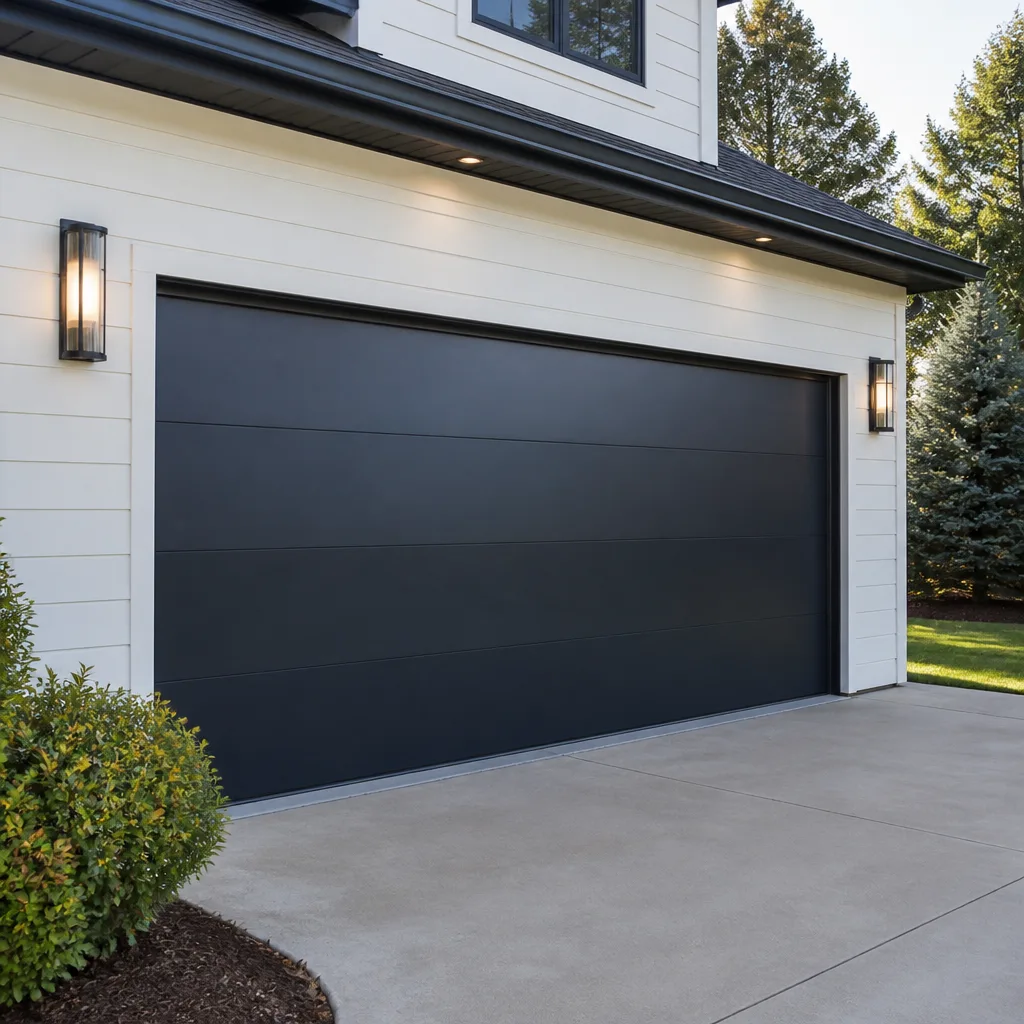 Modern flush
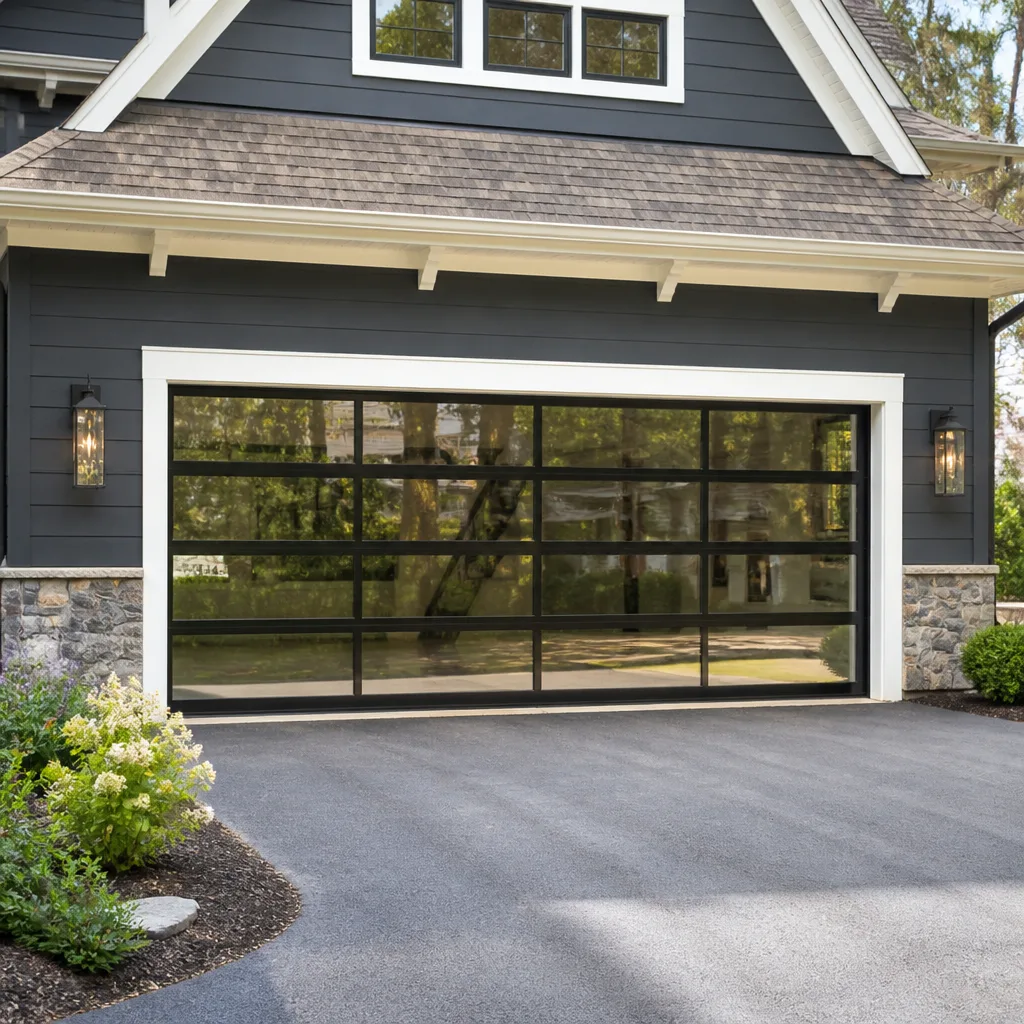 Full-view glass
 LiftMaster openers
 Chamberlain openers
Full 25-point door and opener safety check with every visit - springs, cables, rollers, tracks, and your LiftMaster or Chamberlain opener included
You get a price before we start. It does not change when the pro arrives.
Get your free estimateGarage Door Emergency Preparedness Guide for Wesley Chapel Homes
Most garage door advice assumes you have time. In Wesley Chapel, the worst failures don’t happen on a quiet Tuesday afternoon with a clear forecast – they happen the afternoon a tropical storm warning goes up, when the grocery store lines are already out the door and half the neighborhood is deciding whether to stay or go. The phone lines fill up fast after an announcement like that. What separates a homeowner who manages a broken door calmly from one who’s stuck is almost never luck. It’s whether the manual release was understood, whether the door’s limits were known, and whether a few basic tools were already in the garage. This guide walks through all of it – the release technique, the pre-storm bracing protocol, power outage scenarios, post-storm damage assessment, and the emergency kit worth keeping on a shelf. We come at this as a Wesley Chapel garage door company that works on eight major brands every week, and spring failures are a named specialty for us because they’re the most dangerous part of the system.
Quick Answer
Garage door emergency preparedness in Wesley Chapel comes down to three things: knowing how to safely use your manual release cord before you need it, having a small kit ready to stabilize a failed door, and understanding which failures (broken springs, snapped cables, off-track doors) you can live with for a day versus which ones need a technician immediately. Battery backup openers cover power outages only – they do nothing when a spring or cable fails. Emergency garage door service is a real, active offering, and during storm season the call volume spikes fast, so the homeowners who’ve prepped are the ones who stay safe while they wait.
Styles & brands we work with
- Raised-panel steel
- Carriage house
- Modern flush
- Full-view glass
- LiftMaster openers
- Chamberlain openers
Table of Contents
- Why Wesley Chapel Homes Face a Specific Garage Door Emergency
- How to Use the Manual Release Cord Safely
- Pre-Storm Protocol: Bracing and Locking When a Rated Door Isn’t Installed
- Power Outage Scenarios: Battery Backup vs. Manual Release
- Post-Storm Damage Assessment: What to Check and What to Document
- The Emergency Kit for Your Wesley Chapel Garage
- Why Broken Springs and Cables Are Never a DIY Job
- Brand-Specific Preparedness: What Your System Tells You
Why Wesley Chapel Homes Face a Specific Garage Door Emergency
Wesley Chapel sits in a stretch of Pasco County where new construction has moved fast and the housing stock is a mix of build years. That matters for garage doors in a way most preparedness guides skip. A subdivision built in one phase might have dozens of homes with the same opener model and the same spring design, all aging on the same schedule. When one Clopay door in a Wesley Chapel neighborhood starts snapping springs, the homes around it usually aren’t far behind. It’s the same shelf of hardware wearing out on the same timeline.
Layer onto that the Florida storm calendar. Insurance carriers and emergency managers ask homeowners to be ready before June 1st every year. But the door prep isn’t usually on the checklist most people write, even though the garage is one of the largest openings in the house. A door that won’t close during a wind event compromises more than access – it opens the interior of the home to water intrusion and wind-driven debris.
There’s a third factor specific to how Wesley Chapel homes are used. Many are primary-entry garages. When the door won’t open, it’s not an inconvenience – it’s the front door. Kids can’t get to school, groceries don’t get into the kitchen, and the car you need to evacuate in is on the wrong side of a jammed panel. In our experience, homeowners who understand the system before a failure are the ones who don’t panic when it happens.
What actually goes wrong, in order of likelihood
- Spring failure – the torsion or extension spring snaps, usually mid-cycle. The door suddenly becomes very heavy and often won’t open more than a few inches.
- Cable failure – a cable frays or snaps, letting one side of the door drop. This is dangerous and often brings the door off track.
- Opener failure – the motor stops, the logic board fails, or the chain/belt seizes. The door itself is fine but nothing moves.
- Power loss – the opener works, but you have no electricity. This is the only failure a battery backup solves.
- Storm damage – a panel dents, a track bends, or debris knocks the door off its rollers.
How to Use the Manual Release Cord Safely
The manual release cord on your opener is the single most misunderstood piece of hardware in the garage. Used correctly, it detaches the door from the opener so you can lift it by hand. Used incorrectly, it can drop a door on you, or it leaves you fighting the trolley to get the door reconnected afterward. Here’s the technique that works, and the mistake that causes the most trouble.
The common mistake: pulling the release cord while the door is fully closed. When the door is down and you pull the cord, the door is in the fully-disengaged position. If a spring is broken, the door weighs far more than you expect and can drop or slam. If the opener trolley is under load, the reconnect becomes physically hard and the carriage shoe can be damaged trying to force it. The better technique is to run the opener up a foot or so first – if it still moves – and only then pull the release.
Step-by-step: correct manual release procedure
- Make sure no one is standing in the path of the door.
- If the opener runs, press the wall button to raise the door 12 – 18 inches.
- Pull the release cord straight down and hold it. You’ll hear the carriage disengage from the trolley.
- Slowly lift the door by the bottom section, not by a handle. Test the weight. If it’s much heavier than normal, a spring has probably failed – stop, prop the door in the open position, and call.
- To reconnect, bring the door to fully closed position, then bring the carriage back to the trolley by hand until it clicks into the shoe.
- Test the opener once. If the door doesn’t run smoothly, don’t force it – a continued jam indicates something is off track or a cable is loose.
Why reconnecting is often harder than releasing: the trolley and carriage shoe need to be roughly aligned in the same horizontal position. If the door was stopped mid-travel when you released, they won’t be. Running the opener a short distance while the door is disengaged brings the carriage home. If you can’t get them to meet, don’t climb a ladder and tug on the rail – that’s the point where a garage door pro taking a look saves time and a lot of frustration.
Pre-Storm Protocol: Bracing and Locking When a Rated Door Isn’t Installed
If you live in a Wesley Chapel home without a hurricane-rated door and a storm is coming, you can’t upgrade the door in two days. Ordering, measuring, and scheduling an install takes time – it’s measured and scheduled work, not emergency work. What you can do is take a few steps to reduce the chance of the door failing open under wind pressure.
Manual bracing and locking steps
- Engage the manual lock bar if your door has one. Many older Clopay and Wayne Dalton doors include a slide-bolt style lock. If yours is missing, a garage door pro can install a vertical lock kit.
- Lower the door fully and lock it in the closed position. The torsion spring holds the door down only loosely when the opener is disengaged; a physical lock is the real anchor.
- Apply lateral bracing if wind-driven pressure is a concern. A homeowner can brace the back of the door with vertical lumber cut to fit snugly between the top section and the header – not screwed through the panel, just braced. The goal is to stop the door from bowing inward.
- Back the car up to the door from the inside. This is a common last-resort stabilization in Wesley Chapel homes on the morning of a storm. The car blocks inward panel deflection and the door’s collapse into the garage.
- Move valuables, tools, and anything water-sensitive off the floor. If the door does give way, the room fills first at the floor.
- Take photos of the door in its current state. If it ends up damaged, those pre-storm pictures help the insurance conversation.
These measures reduce risk. They don’t replace a rated door. If your Wesley Chapel home is due for a replacement, the right pre-season move is a free measure and a written price, done well ahead of the storm window – not the day the warning goes up.
Power Outage Scenarios: Battery Backup vs. Manual Release
The biggest confusion in storm-season preparedness is the difference between a battery backup opener and the manual release. They solve two different problems. Battery backup is a power problem. Manual release is a mechanical problem. Neither one fixes a snapped spring.
What a battery backup opener actually covers
A battery backup on a LiftMaster, Chamberlain, or Genie unit keeps the opener running during a power outage – typically for a limited number of open/close cycles over a few days, depending on the battery and cycle count. It doesn’t need the homeowner to do anything to activate it. But: a backup won’t help if the door’s mechanical system has failed, and it won’t help if the door is off track or the cables are hanging. It only covers the “electricity is out but the door is fine” scenario.
What the manual release covers
The manual release covers any situation where you need to lift the door without electricity and the door’s mechanics still work. It’s your fallback if the battery backup has drained, isn’t installed, or has failed. It’s also your only option on a door that never had a battery backup opener to begin with.
Which Wesley Chapel homes need which
- Homes with a newer opener (post-2010 model, often Chamberlain or LiftMaster): these typically came with battery backup capability or can be retrofitted. Worth confirming before storm season.
- Homes with an older opener: manual release is the primary fallback. Practice it once before you need it.
- Homes where the garage is the primary entry: a battery backup pays for itself the first time the power goes out and the family still needs to move the car.
- Homes with a heavy wood or insulated door: manual lifting is harder – battery backup matters more, since lifting a heavy door by hand is genuinely tough in a hurry.
Post-Storm Damage Assessment: What to Check and What to Document
After a storm, resist the urge to start adjusting things. The right sequence is: assess without touching, document with photos and video, and then call your garage door repair pro for anything that looks mechanical. Here’s the checklist.
Step-by-step post-storm assessment
- Before you touch anything, photograph every angle of the door from outside and inside. Wide shots and close-ups. These are your insurance record.
- Look for visible bends in the panels. A bowed or dented panel is a structural weakness even if the door still runs.
- Check the tracks on both sides. A track that’s been pushed out of vertical is an off-track door waiting to fall. Don’t run the opener.
- Inspect the springs and cables visually from the ground. A gap in a torsion spring is a broken spring. A cable hanging loose or crossing at a wrong angle is a failure – don’t move the door.
- Test the opener once, from outside the path of travel, if and only if steps 2 – 4 look clean. If the door runs unevenly, stops midway, or makes a grinding sound, stop.
- Save your photos and email them to yourself. That timestamp matters when you file.
If anything looks structurally off – a tracked-out door, a door that won’t close flush, a spring that’s clearly broken – don’t try to run the opener again. Call for garage door repair. Insurance documentation is easier when the door hasn’t been further damaged by a homeowner attempt.
The Emergency Kit for Your Wesley Chapel Garage
Small kit. Big payoff. The hardware below lets you stabilize a failed door safely while you wait for a technician. None of it involves you climbing on the door or touching a spring.
- A small flashlight and headlamp – a garage in a power outage is dark, and you don’t want to be working from feel.
- Work gloves that fit well – handling the bottom section of a metal door without them risks cuts on the panel edges.
- A two-foot length of sturdy vertical lumber – cut to fit snugly between the top section and the header if you’re bracing for a storm.
- Two C-clamps or adjustable locking pliers – to hold a door in the open position on the track while you inspect.
- A roll of heavy-duty tape – for taping off a cracked or bent panel so nobody walks into it.
- Your door’s brand and model number written down – Clopay, Amarr, Chamberlain, Genie, and others each have model-specific specs, and having the number on hand saves the technician a second trip.
- Photos of the door in normal condition – for insurance and for the technician’s reference.
- The number of a garage door pro you trust – saved in your phone, not buried in a browser tab.
What NOT to include
Skip WD-40 for springs (it attracts grit), skip anything that involves loosening a spring or cable fitting, and skip a ladder in the kit if you’re storing it near the door. The point of the kit is stabilizing, not repairing.
Why Broken Springs and Cables Are Never a DIY Job
Springs are wound to hold hundreds of pounds of tension when the door is down. When they fail – and they do fail – that stored energy releases instantly. The right response to a broken spring is not to try to lift it higher, and the right response to a snapped cable is not to try to reroute it. Either one can cause serious injury, and a door holding itself up on a bent cable is a door waiting to drop.
This is why spring repair is a named specialty in our service list. It’s the most mechanically hazardous job in the trade and the most commonly botched by generalists. If you need a spring replaced, call a garage door pro for garage door spring repair rather than trying to work around it.
An opener that still runs but is lifting against a broken spring is also worth stopping. The openers on Chamberlain and Genie units will usually detect the resistance and reverse, but the repeated cycles stress the motor and the trolley. One more reason to shut off the opener at the wall once you suspect a spring or cable failure. If the opener itself is what failed – motor, logic board, remote signal – garage door opener repair is the call.
Brand-Specific Preparedness: What Your System Tells You
Knowing which brands are in your home helps you prep. Here’s what to check on the most common systems we see in Wesley Chapel garages.
Clopay and Amarr doors
Both are among the most common steel residential doors. On Clopay and Amarr doors, check the bottom seal and the bottom bracket – the seal keeps water out during a storm-driven rain, and the bracket is where cable tension concentrates. If the seal is cracked or the bracket is loose, that’s a pre-storm item worth addressing before the first system of the season.
LiftMaster, Chamberlain, and Genie openers
These three cover the large majority of Wesley Chapel homes. Check the opener’s emergency release cord is intact and reachable (not zip-tied up out of reach), that the battery backup indicator is normal if the unit has one, and that the wall-mount button isn’t loose. On Genie units, check the carriage assembly is tracking smoothly across the rail – a partially disconnected carriage is a common cause of doors that won’t lift. On LiftMaster and Chamberlain units, confirm the safety sensors at the bottom of the door are aligned and clean, since the sensors trigger the opener’s reversal and any misalignment looks like a door failure.
A full check on your opener is quick, takes about five minutes, and it’s the kind of thing that makes the difference between diagnosing a real problem and walking past a small one. Emergency service is a real offering for the failures you can’t prevent – a snapped spring, a broken cable, a door that won’t close. If your system isn’t cooperating, call for Wesley Chapel Garage Door Repair Pros.
Common Mistakes to Avoid
- Pulling the manual release with the door all the way down. It leaves the door in the fully-disengaged position and makes reconnect harder. Lift it a foot first if the opener will run.
- Assuming a battery backup will save you in a mechanical failure. It covers power loss only. A broken spring or snapped cable means the door can’t be safely operated at all.
- Running the opener repeatedly on a door that’s off track. This is how a slightly bent track becomes a door on the floor. Stop the opener at the wall and call.
- Trying to lift a door by the middle or a handle when the spring is broken. Lift at the bottom section, if at all, and stop if it feels too heavy.
- Waiting until the warning is up to prep the door. Wesley Chapel contractors fill quickly once a storm is announced. Prep in May, not the afternoon the alert goes out.
- Doing storm damage repair before photographing. Document first, then repair. Insurance wants the “before” shots, not the “after” ones.
- Lubricating the springs. It attracts grit and can hide stress cracks. Clean and dry beats oiled.
See the difference
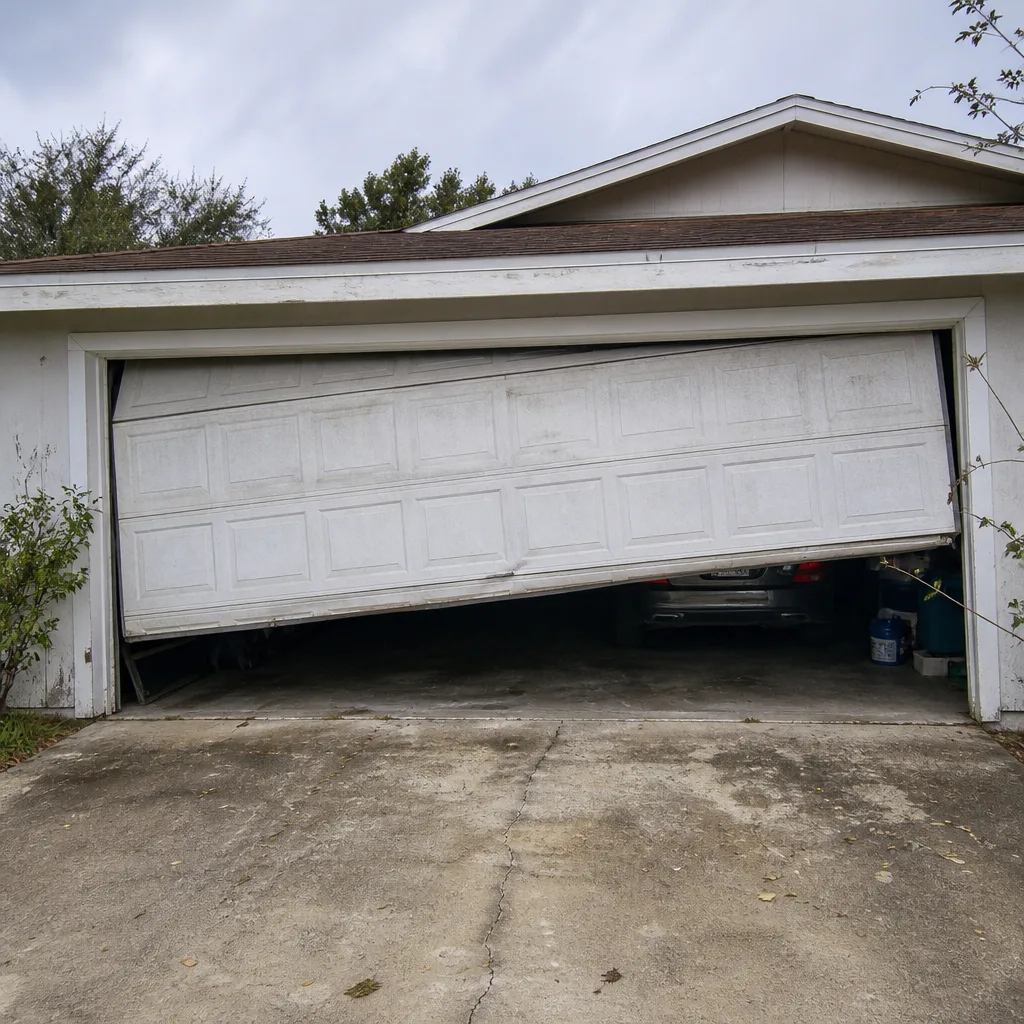 Before
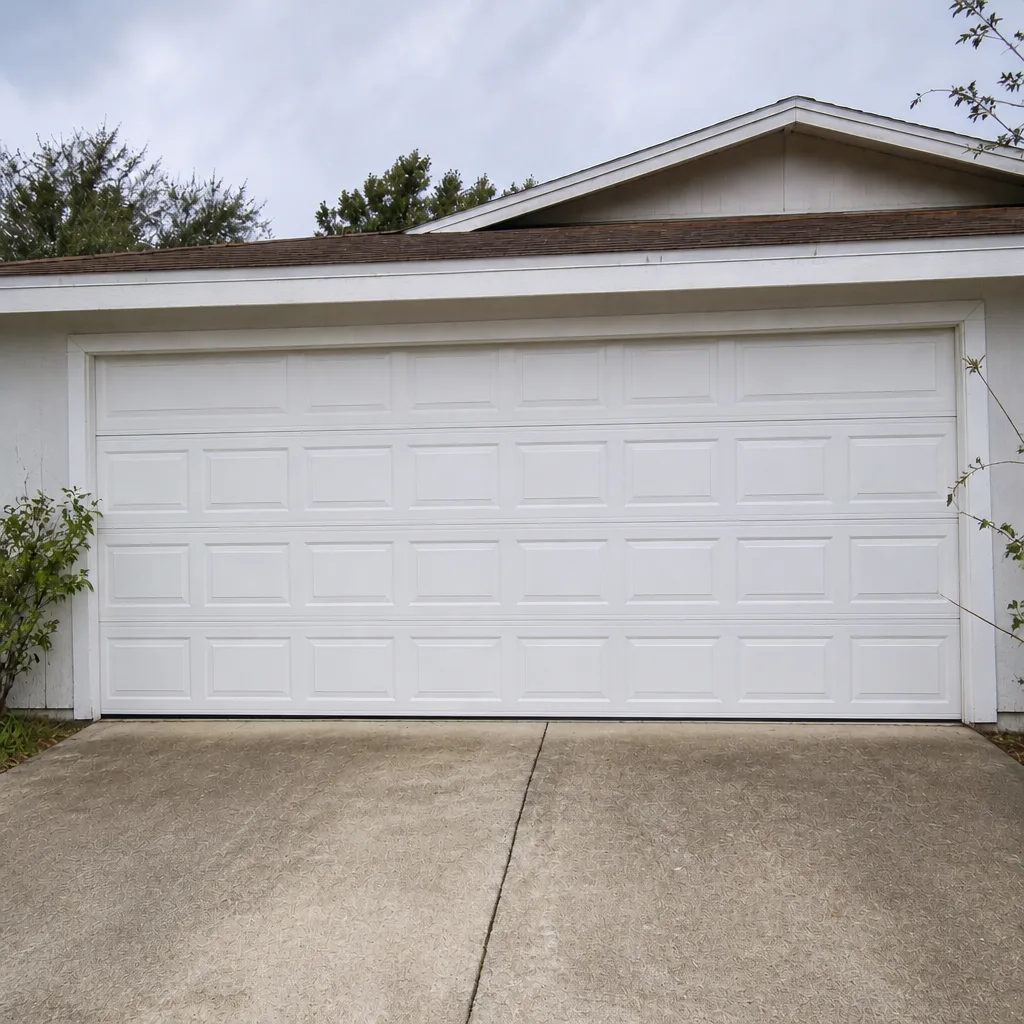 After
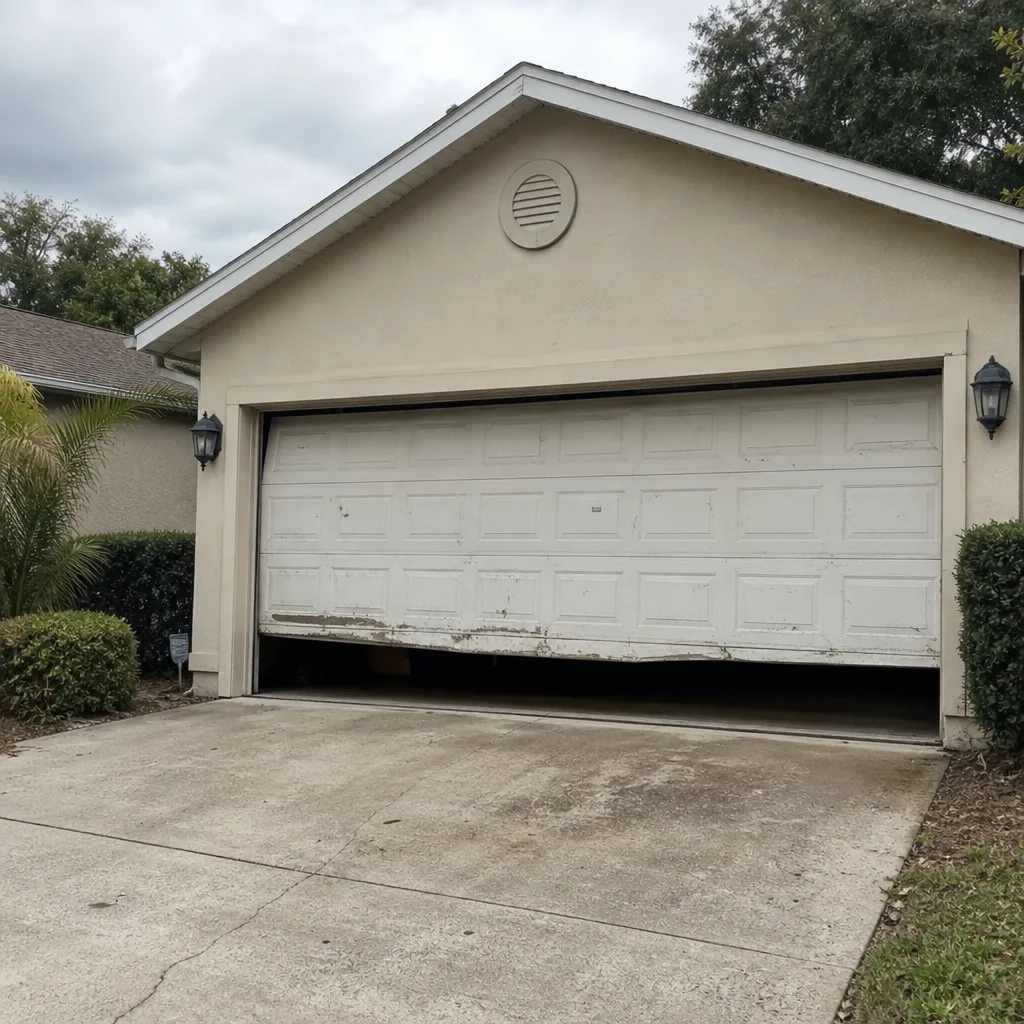 Before
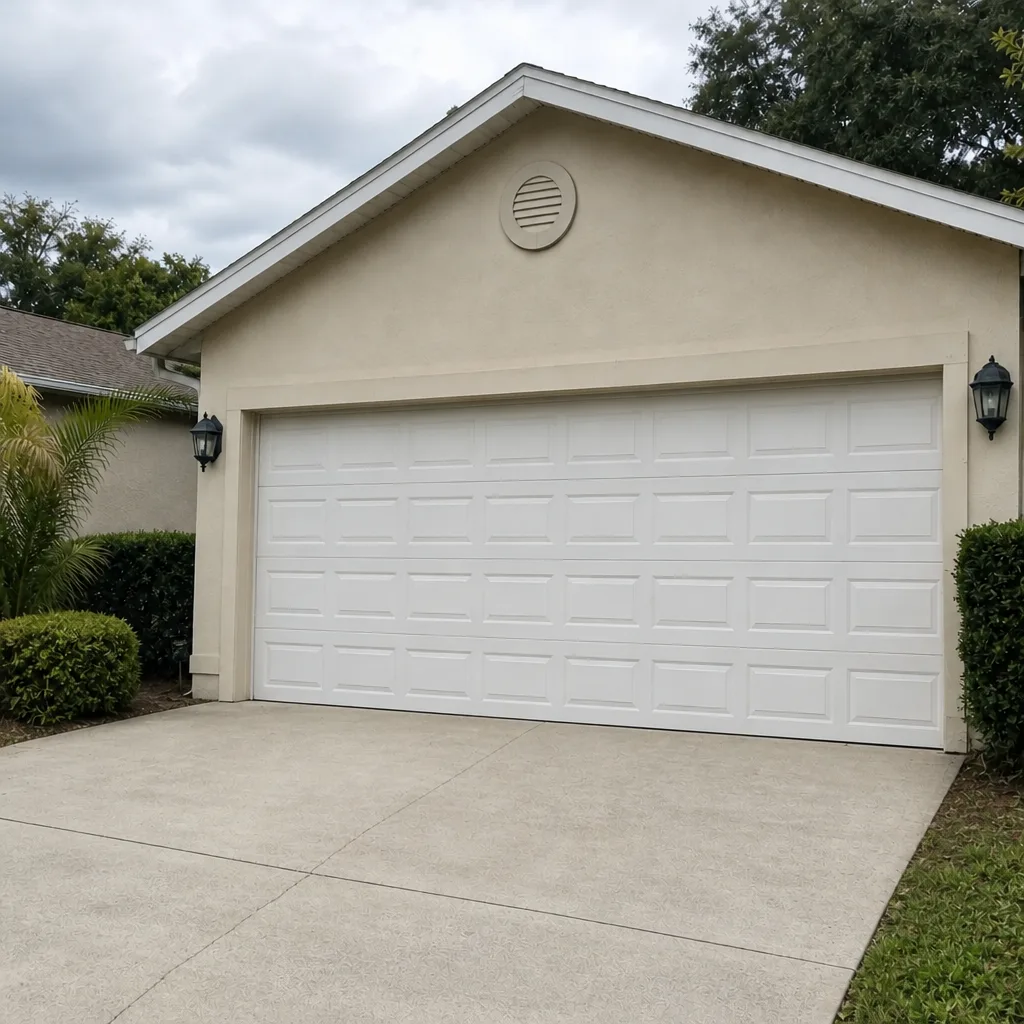 After
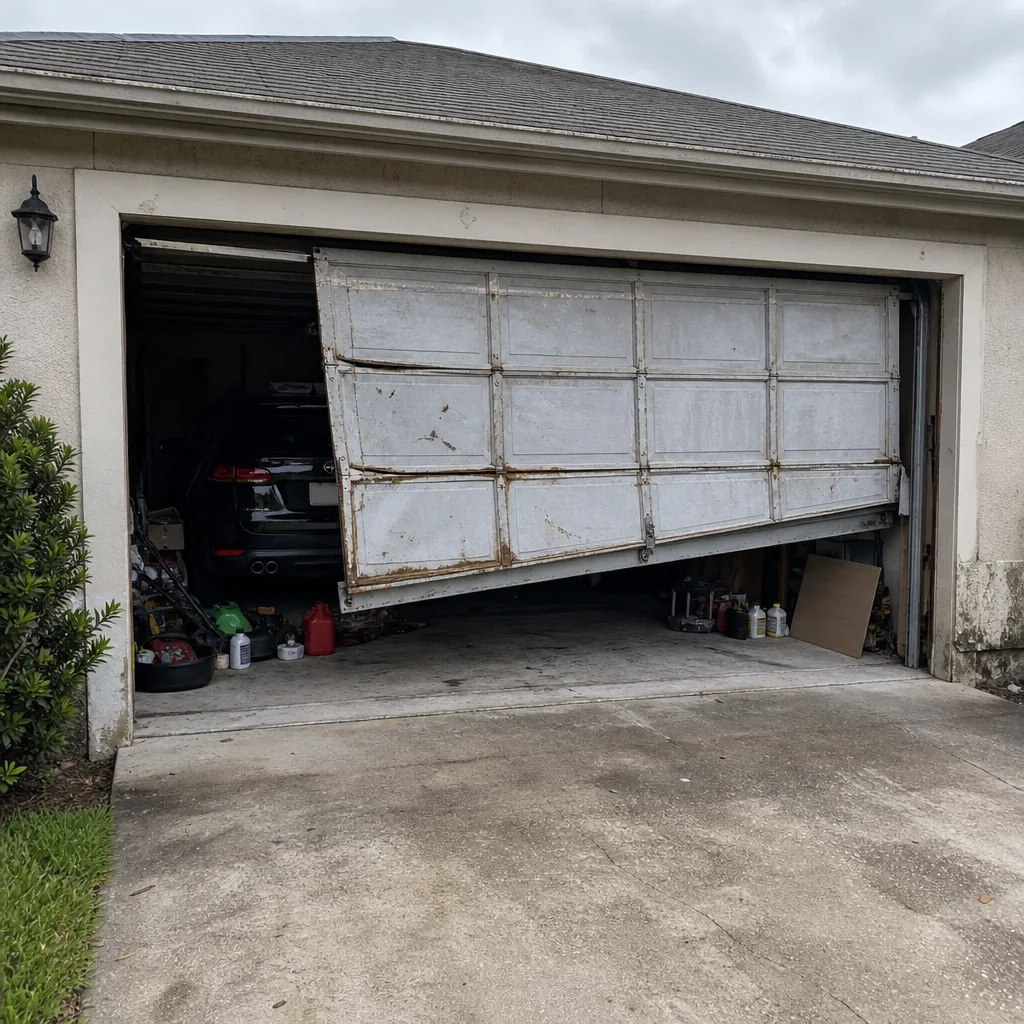 Before
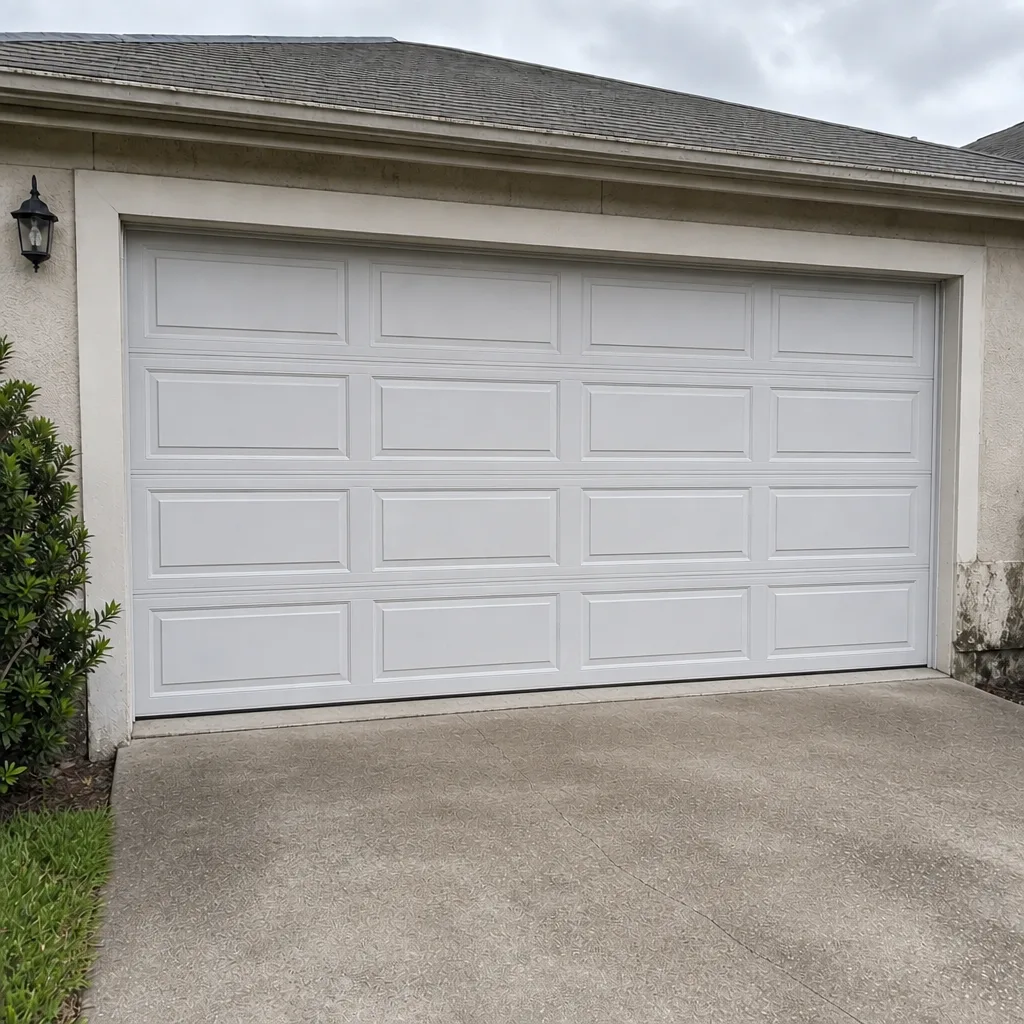 After
When to Call a Professional
Call a garage door pro when the spring is broken, a cable is loose or snapped, the door won’t close flush with the floor, the door is off track, the opener runs but the door doesn’t move, or any post-storm inspection shows a structural concern. These are the situations where a homeowner attempt tends to make things worse and cost more. Wesley Chapel Garage Door Repair Pros offers free estimates in Wesley Chapel – call (877) 657-1302. We answer 24/7, and fast dispatch runs 7am to 7pm, Sunday through Friday, closed Saturday. Our technicians have up to 12 years of experience and work on the brand already in your garage. If it’s an emergency – a door that won’t close, a door that won’t open, a jammed panel after a storm – emergency service is a real offering, not an add-on. If you’re due for a replacement, that’s a free measure and a written price, scheduled and done properly. Either way, the price is set per job by the written estimate and agreed before any work starts.
Frequently Asked Questions
Pricing is per job and set by the written estimate before work starts, so the number depends on what failed. Spring, cable, opener, and off-track repairs each carry different parts and labor. Call (877) 657-1302 for a free estimate – there’s no fee to quote the work.
Call (877) 657-1302 and we’ll tell you the soonest dispatch window. We answer 24/7, and fast dispatch runs 7am to 7pm, Sunday through Friday, closed Saturday. A call outside dispatch hours is booked into the next opening, Sunday through Friday, 7am to 7pm. If you’re facing a storm warning, call as early as possible – the phones fill fast in Wesley Chapel once an announcement goes up.
No. The price is quoted and agreed before work starts. If the technician finds something the phone conversation couldn’t catch, they’ll quote the additional work and you decide before it’s done. The written estimate is the price you pay for the work it covers.
The local pros we connect you with are licensed and insured as their state requires. Our technicians have up to 12 years of experience and work on eight major residential brands, including LiftMaster, Chamberlain, Genie, Clopay, Amarr, Wayne Dalton, Craftsman, and Raynor. If you want the credential confirmed for your job, ask when you call – we’ll tell you what the local pro carries.
If your opener has a battery backup and it’s functioning, the door should still run. If the battery backup has drained or isn’t installed, use the manual release: raise the door 12 – 18 inches with the opener if possible, pull the release cord straight down, and lift the door by the bottom section. If it’s too heavy to lift, a spring has likely failed – prop the door in its current position, keep people clear, and call (877) 657-1302. Don’t force it.
Installation is scheduled, not same-day – it requires a free measure and a written price first. If a rated door is what your Wesley Chapel home needs, the right time to start that conversation is well before June 1st, not the day a warning goes up. Call (877) 657-1302 and we’ll set up the measure.
The Bottom Line
The difference between a garage door emergency you manage and one that manages you comes down to preparation done in advance. Know how to use the manual release correctly – lift the door a foot first, pull the cord, reconnect at the closed position. Have a small kit ready: flashlight, gloves, bracing lumber, model number written down. Understand that a battery backup covers power loss only, not mechanical failure, and that a broken spring or snapped cable is never a DIY job. Document before you repair after a storm, and take pre-season photos of the door in normal condition. Wesley Chapel’s storm season doesn’t announce itself. Call (877) 657-1302 for a free estimate if you’re unsure about your door’s readiness – we work on the brand already in your garage, and spring repair is our specialty for a reason.
Written by the team at Wesley Chapel Garage Door Repair Pros.