
Last updated November 21, 2026
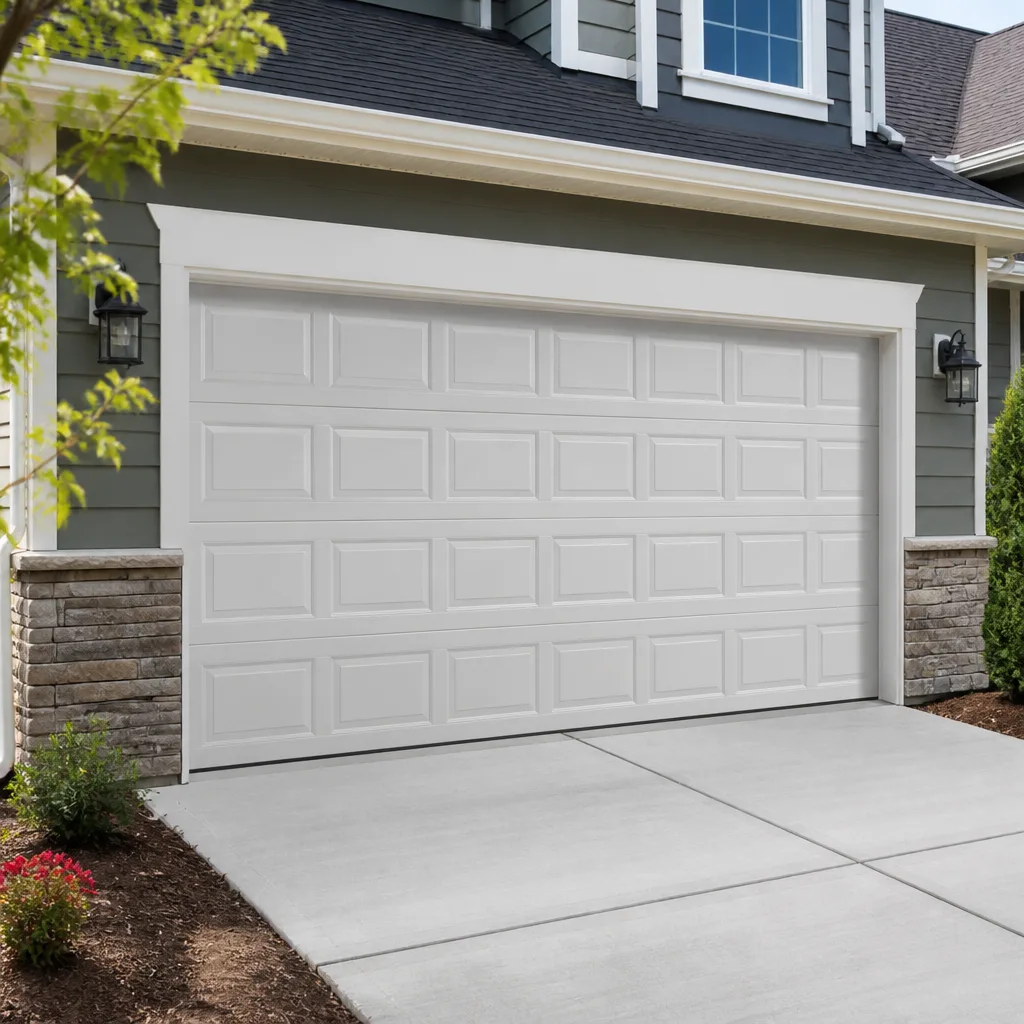 Raised-panel steel
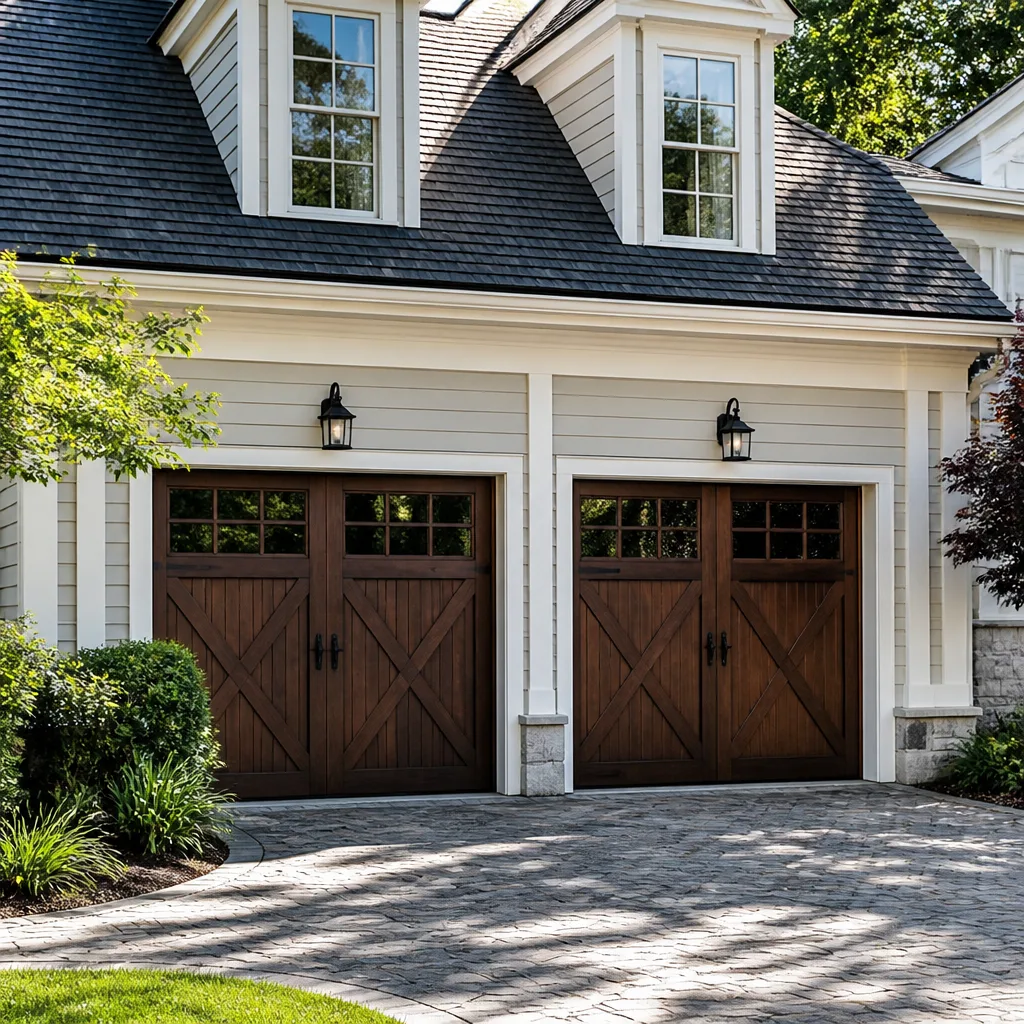 Carriage house
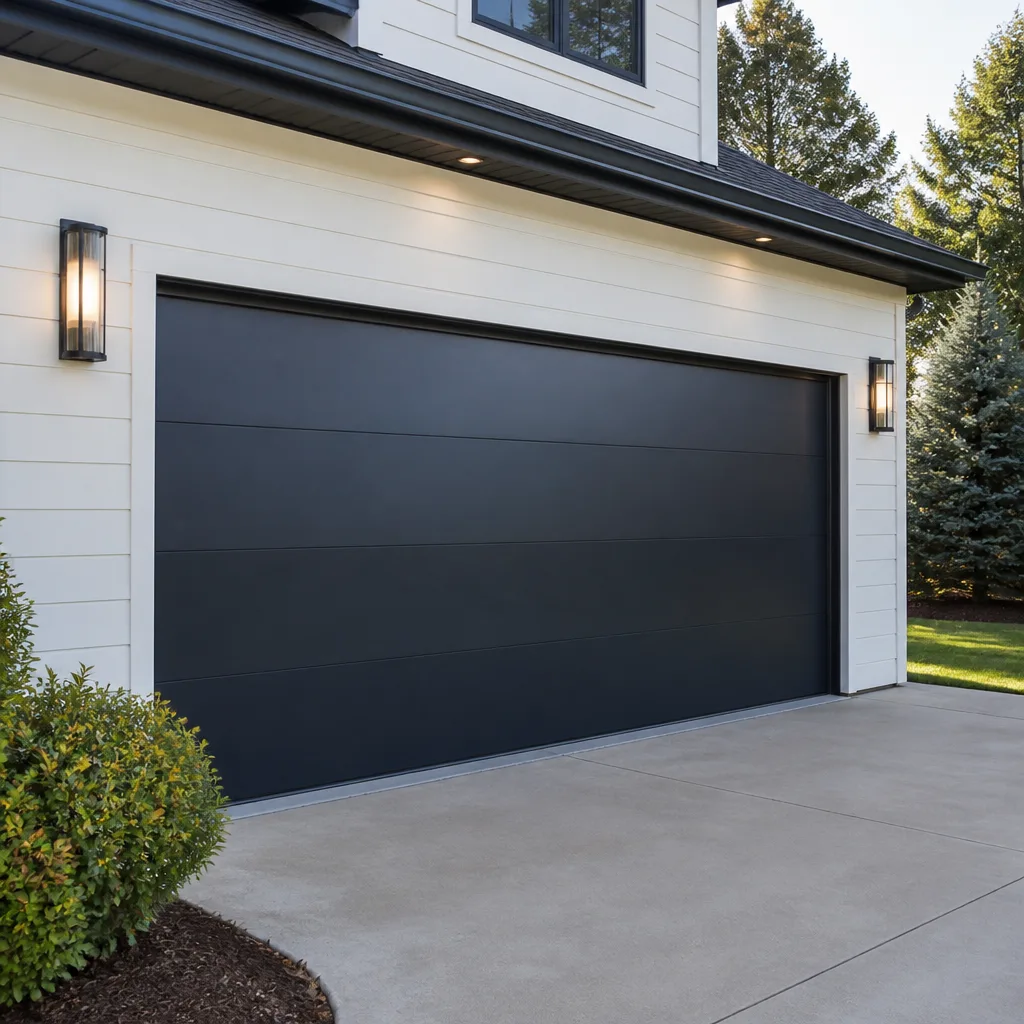 Modern flush
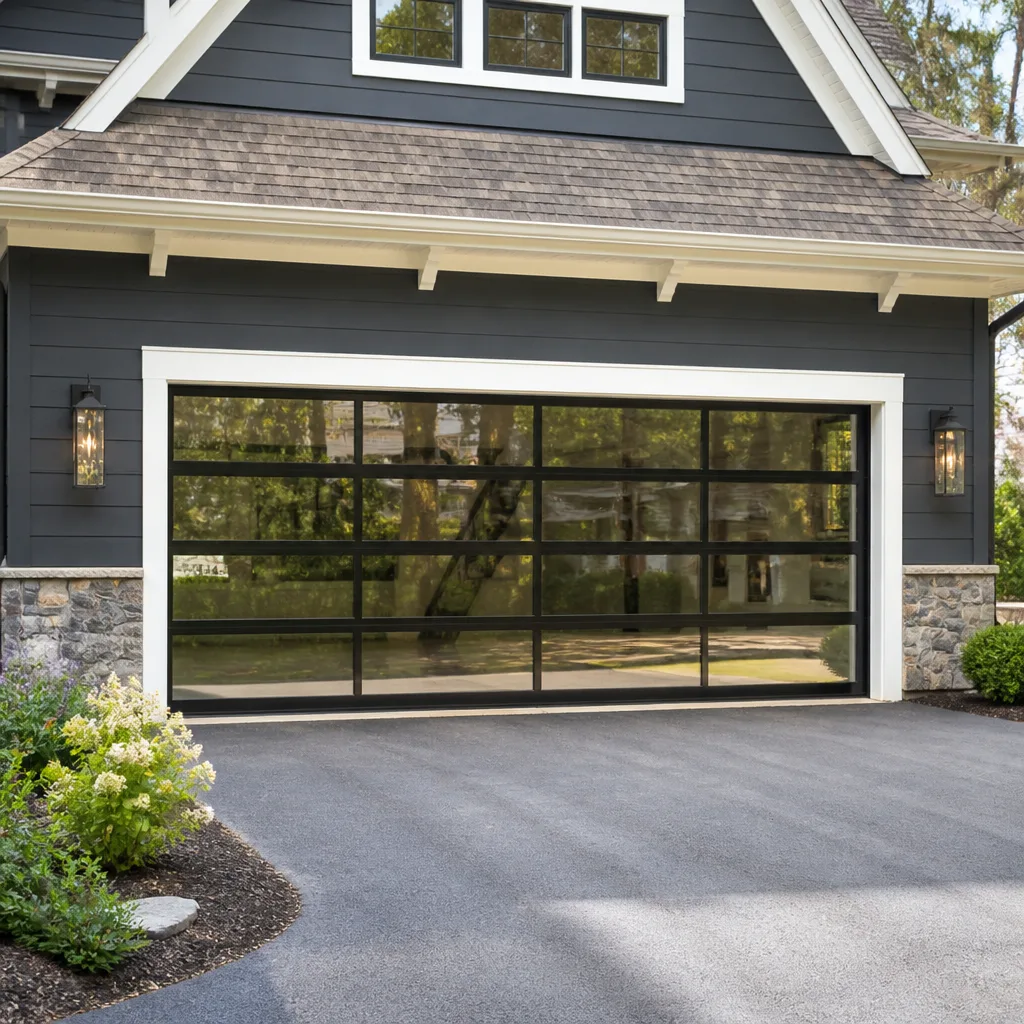 Full-view glass
 LiftMaster openers
 Chamberlain openers
Full 25-point door and opener safety check with every visit - springs, cables, rollers, tracks, and your LiftMaster or Chamberlain opener included
You get a price before we start. It does not change when the pro arrives.
Get your free estimateGarage Door Repair Maintenance Checklist for Wesley Chapel Homeowners
Lubricating your hinges is the maintenance tip every guide leads with. Here, it’s rarely what fails first. In Wesley Chapel’s humidity, the bottom bracket corrosion and the rust creeping across torsion springs are what turn a working door into an emergency call, and most homeowners don’t look at either one until something snaps. This guide reorders the checklist by what actually breaks first in Wesley Chapel homes: humidity-driven corrosion, sandy soil tracked into tracks, and Florida’s temperature swings working on springs and openers all year. You’ll get a task-by-task schedule, the lubricants to avoid here, the balance test most people skip, and the red-line items where you stop and call a technician.
Quick Answer
A garage door maintenance checklist for Wesley Chapel should run monthly (visual check, balance test, track wipe-down), quarterly (lubrication with a humidity-appropriate product, weatherstripping inspection, hardware torque check), and annually (spring and cable inspection, opener force and safety-reverse test, full hardware review). The items that matter most in this climate are spring and cable corrosion, bottom bracket condition, and track alignment, because humidity and sandy grit cause more failures here than cold weather does. Anything involving springs, cables, or the bottom brackets is a stop-and-call item, not a DIY task.
Styles & brands we work with
- Raised-panel steel
- Carriage house
- Modern flush
- Full-view glass
- LiftMaster openers
- Chamberlain openers
Table of Contents
- Why a Wesley Chapel Checklist Is Different
- Monthly Checks (10 Minutes)
- Quarterly Maintenance
- Annual Inspection and Service
- Which Lubricants to Use (and Avoid) in Florida Humidity
- The Balance Test Most Homeowners Skip
- Weatherstripping: Sand, Rain, and UV
- Red-Line Items: Stop and Call a Technician
Why a Wesley Chapel Checklist Is Different
Most garage door maintenance checklists are written for a national audience, which means they’re written for cold winters, road salt, and freeze damage. None of that applies in Wesley Chapel. What does apply is a climate that stays warm and humid most of the year, seasonal temperature swings that push metal components through constant expansion and contraction, and airborne sand and grit from the construction traffic that’s part of daily life in fast-growing Pasco County.
Those three factors change the priority order. In a cold climate, the checklist leads with winter prep: checking for ice damage, lubricating against salt, inspecting for frost cracks. In Wesley Chapel, the checklist leads with corrosion control. Humidity attacks the same components that cold attacks elsewhere, but slowly, silently, and year-round instead of in a single season.
Here’s what actually fails first in Wesley Chapel homes, based on what we see in service calls across neighborhoods like Wesley Chapel itself, Meadow Pointe, and the newer communities along SR-54 and SR-56:
- Springs and cables: Humidity accelerates rust on torsion springs and the cables that run alongside them. A rusted spring is weaker, and a weakened spring is closer to snapping.
- Bottom brackets: These sit close to the floor, where moisture and grit collect. Corrosion here is common and frequently overlooked until the bracket fails.
- Tracks: Sand and grit from construction traffic and landscaping blow into the tracks and cause rollers to drag, which strains the opener.
- Weatherstripping: Florida sun and rain break down rubber and vinyl seals faster than in milder climates.
- Openers: The strain from an unbalanced or dragging door shows up in the opener motor over months, not overnight.
If your door is already struggling, our garage door repair team can diagnose it in a single visit. But the point of this checklist is to catch those problems before they turn into emergency calls.
Monthly Checks (10 Minutes)
A monthly visual check costs you ten minutes and catches most issues while they’re still cheap. You’re not fixing anything here. You’re looking for changes from last month.
- Run the door and listen. Open and close it once. A door that runs quietly and smoothly is healthy. Grinding, squealing, or a heavy, strained sound means something is dragging or worn.
- Look at the springs. With the door closed, look at the torsion spring above the door (or the extension springs along the sides, depending on your system). You’re checking for rust, visible gaps, or a stretched look. Do not touch them.
- Check the cables. Look for fraying, kinks, or rust along the steel cables running down each side. Frayed cables are a safety issue.
- Walk the tracks. Look for bends, gaps at the joints, or debris. Wipe out any grit you can reach without tools.
- Check the bottom brackets. Look at the metal brackets at the bottom corners of the door. Corrosion or rust is common here and worth noting.
- Check the safety reverse. Place a roll of paper towels or a small box under the closing door. The door should reverse on contact. If it doesn’t, stop using the door until it’s fixed.
- Test the balance. With the door closed, pull the release cord to disconnect the opener, then lift the door halfway and let go. It should stay put. If it drops or rises on its own, the springs are out of balance.
Note anything that looked worse than last month. That trend, more than any single observation, tells you when to call.
Quarterly Maintenance
Every three months, add lubrication, a torque check, and a weatherstripping inspection. This is where the humidity-specific work begins.
Lubrication
Lubricate the rollers, hinges, and the torsion spring (with a proper spring lubricant, not grease). Do not lubricate the tracks. Tracks should be clean and dry – lubricant in the tracks attracts grit and turns into a sticky paste that causes the exact drag you’re trying to prevent.
Hardware Torque Check
Check that the bolts and screws holding the hinges and brackets are snug. Don’t overtighten. Vibration works these loose over time, and a loose hinge lets the door sag and puts strain on the opener.
Weatherstripping and Seals
Look at the bottom seal (the rubber strip along the bottom of the door) and the side and top seals. In Wesley Chapel, the combination of intense UV and regular rain breaks down rubber seals faster than in milder climates. Check for cracking, hardening, gaps, or sections that have pulled away. A failed bottom seal lets in water, sand, and pests – and if you use your garage as a workspace or entry point, that matters.
Opener Check
Test the force settings and the safety reverse. If the opener runs but the door hesitates, or the chain/belt looks slack, it’s a signal worth investigating. For opener-specific issues, our garage door opener repair page covers common failures on LiftMaster, Chamberlain, Genie, and Craftsman systems.
Annual Inspection and Service
Once a year, get a professional inspection. Springs, cables, and the full door system are checked by someone who knows what a failing component looks like before it fails. An annual service in Wesley Chapel should cover:
- Spring assessment: A technician measures spring tension, checks for rust and wear, and tells you the remaining life. This is the single most important annual item in this climate.
- Cable inspection: Full length check for fraying, kinks, and corrosion at the drum and bottom bracket connections.
- Roller and track service: Worn rollers replaced, tracks cleaned and aligned. Sandy grit in the tracks is a common find here.
- Hardware and hinge review: All bolts checked and torqued, worn hinges replaced.
- Opener force and travel limits: Adjusted and tested.
- Safety-reverse test: Confirmed working.
- Weatherstripping replacement if needed: Bottom seal and any side seals that have failed.
- Full balance and door alignment check: Confirmed the door is square and balanced.
If you’re on the fence about whether an annual service is worth it, consider: spring repair is the most dangerous repair on a garage door, and a professional inspection catches a weakening spring before it becomes an emergency. That’s the whole point of the annual visit.
Which Lubricants to Use (and Avoid) in Florida Humidity
Standard garage door lubricants are formulated for a range of climates. In Wesley Chapel’s year-round humidity, the wrong choice causes more harm than no lubrication at all, because it traps moisture against metal or attracts grit that accelerates wear.
What to use
- White lithium grease or a silicone-based garage door lubricant for hinges and rollers. These stay put, resist moisture, and won’t attract grit the way oil-based products can.
- A dedicated spring lubricant applied sparingly to torsion springs. This is what slows rust on the component most likely to fail in this climate.
- Silicone spray on weatherstripping and rubber seals to keep them from drying out and cracking under UV exposure.
What to avoid
- WD-40 as a primary lubricant. It’s a penetrant and water displacer, not a lasting lubricant. In humidity, it evaporates and leaves the metal unprotected. Use it to loosen a sticking part, then use a proper lubricant.
- Heavy grease on tracks or rollers. Grease attracts grit. In a sandy environment, grease turns into an abrasive paste that wears rollers and causes drag.
- Oil-based lubricants in open environments. They collect dust and grit and don’t hold up in humidity.
- Anything on the tracks. Tracks stay clean and dry. Period.
Note that this isn’t a “more is better” situation. Two or three light applications per year, done right, will protect a door better than monthly heavy coats of the wrong product.
The Balance Test Most Homeowners Skip
The balance test is the single most useful thing you can do for your door, and almost no one does it. Here’s why it matters: an unbalanced door quietly destroys its opener over 6 to 12 months before any obvious symptom appears. By the time you notice the opener straining, the damage is done.
How to run the balance test
- Close the door.
- Pull the release cord to disconnect the door from the opener.
- Lift the door halfway by hand and let go gently.
- Watch what happens. A balanced door stays where you left it. A door that drops toward closed or rises toward open is out of balance and needs professional attention.
- Reconnect the opener by pushing the door until it clicks back into the carriage. Test the door once with the opener.
A door that fails the balance test has spring or cable issues. Springs are the dangerous part. Don’t try to adjust them yourself. Our garage door spring repair service handles this safely, and it’s a named specialty for us because it’s the repair most likely to go wrong when attempted by someone without the right tools and training.
Run the balance test monthly. It takes two minutes and it’s the difference between catching a spring problem early and dealing with a snapped spring and a door stuck halfway.
Weatherstripping: Sand, Rain, and UV
Weatherstripping in Wesley Chapel takes a beating. Between the sun, the rain, and the sand that comes with construction and landscaping, seals break down faster here than in most climates. The bottom seal is the most important – it’s the barrier against water, grit, and pests – and the first to fail.
What to check on the bottom seal:
- Flexibility. Press it with your thumb. It should be soft and spring back. If it’s hard or cracked, it’s UV-damaged and no longer sealing.
- Gaps. Look for light coming under the door when it’s closed. Any visible gap means water and grit get in.
- Attachment. Check that the seal hasn’t pulled away from the door or sagged in sections.
On the side and top seals, look for cracking, shrinkage, or sections that have pulled away. A worn side seal lets rain in along the door edges and allows sand to blow in past the frame. Replacement is inexpensive relative to the damage water and grit cause over time.
One local note: in neighborhoods where new construction is ongoing – common across Wesley Chapel – the extra dust and sand in the air means seals and tracks need more frequent attention than in established areas. If you live in or near an active build zone, check weatherstripping more often and wipe the tracks more thoroughly.
Red-Line Items: Stop and Call a Technician
Some tasks belong to a professional. Springs and cables are the obvious ones, but there are more. Here’s where you stop doing the checklist and call instead:
- Any visible damage to a torsion spring. A gap, a stretch, or a snapped spring means the door is under extreme tension. Do not touch it. This is the most dangerous repair on the door.
- Frayed or snapped cables. Cables are under the same tension as springs. Do not touch them.
- A door that fails the balance test. This means spring or cable issues. Call.
- Bent or damaged tracks. A track out of alignment causes the door to bind and can cause the door to come off the track. Call.
- A door that won’t close fully or opens on its own. This is a security and safety issue. Call immediately.
- A broken hinge or bracket at the bottom bracket. The bottom bracket holds tension. Call.
- An opener that reverses unexpectedly or won’t reverse on contact. This is a safety failure. Stop using the door and call.
- Any door that feels heavier than usual to lift by hand. This is a sign of failing springs. Call.
Emergency service exists for exactly these situations. If your door won’t open or close, or it won’t secure, the problem can’t wait. We offer dedicated emergency garage door service for urgent failures, and we work on the door and opener brands already in your garage – LiftMaster, Chamberlain, Genie, Clopay, Amarr, Wayne Dalton, Craftsman, and Raynor – so the diagnosis is right the first time.
Common Mistakes to Avoid
- Lubricating the tracks. This is the most common mistake. Lubricant in the tracks attracts grit and turns into a sticky paste that causes drag. Tracks should be clean and dry. In Wesley Chapel specifically, the sandy environment makes this mistake worse.
- Using WD-40 as a lubricant. It’s a penetrant, not a lasting lubricant. In this humidity, it evaporates and leaves metal unprotected. Use a proper garage door lubricant instead.
- Ignoring the balance test. An unbalanced door destroys the opener over 6 to 12 months without obvious warning. The balance test catches it early. Don’t skip it.
- DIY spring repair. Springs are under extreme tension and are the most dangerous component on the door. Attempting this without the right tools and training is the leading cause of garage door injuries. Spring repair is a professional task.
- Skipping the weatherstripping check. Florida sun and rain break down seals faster than in most climates. A failed seal lets in water and grit that cause corrosion and track issues. Check it quarterly.
- Ignoring sandy grit in the tracks. In Wesley Chapel, construction traffic and landscaping bring sand into tracks. Wipe them out regularly, especially in newer neighborhoods where construction is ongoing.
- Not testing the safety reverse. This is the most important safety feature on your door and it’s easy to test. A door that doesn’t reverse on contact is dangerous. Test monthly.
- Ignoring opener strain. If the opener sounds strained, it’s a symptom of a door problem, not just an opener problem. Get the door checked.
See the difference
 Before
 After
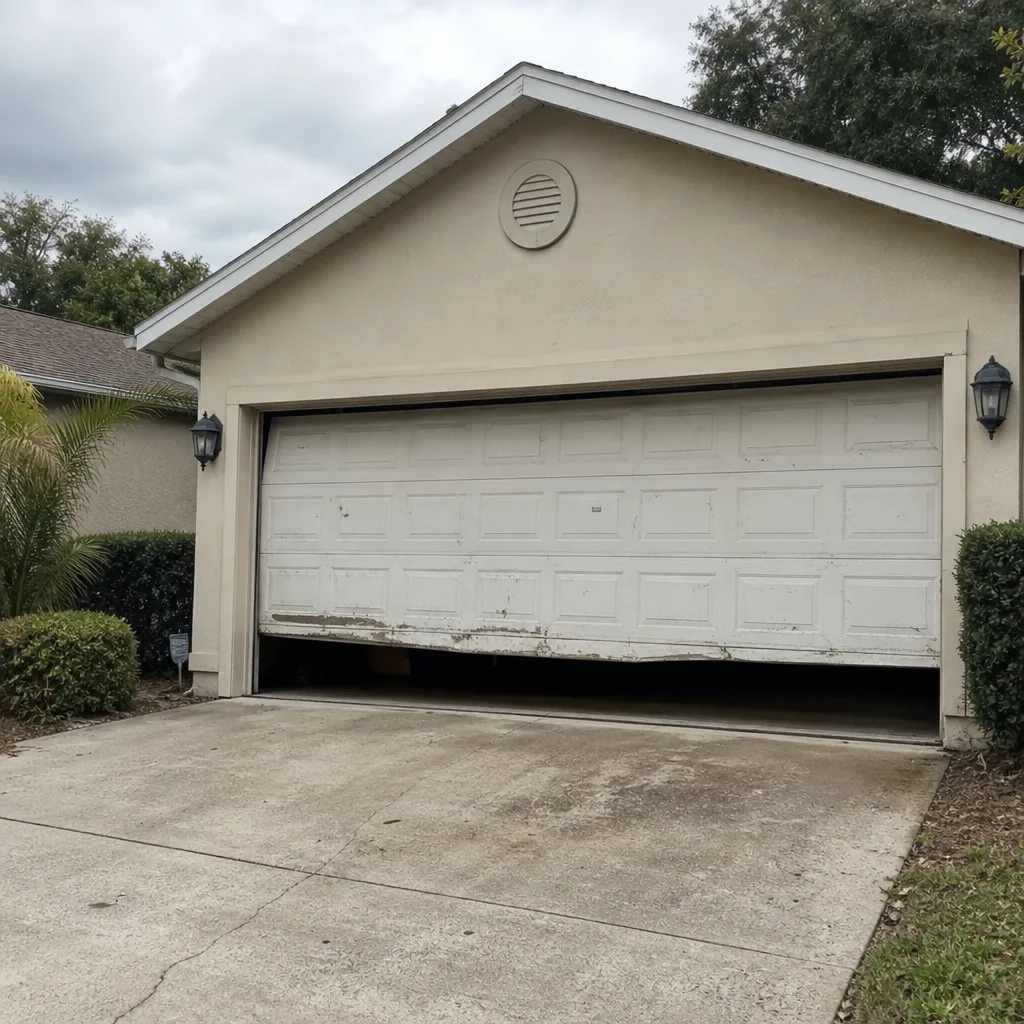 Before
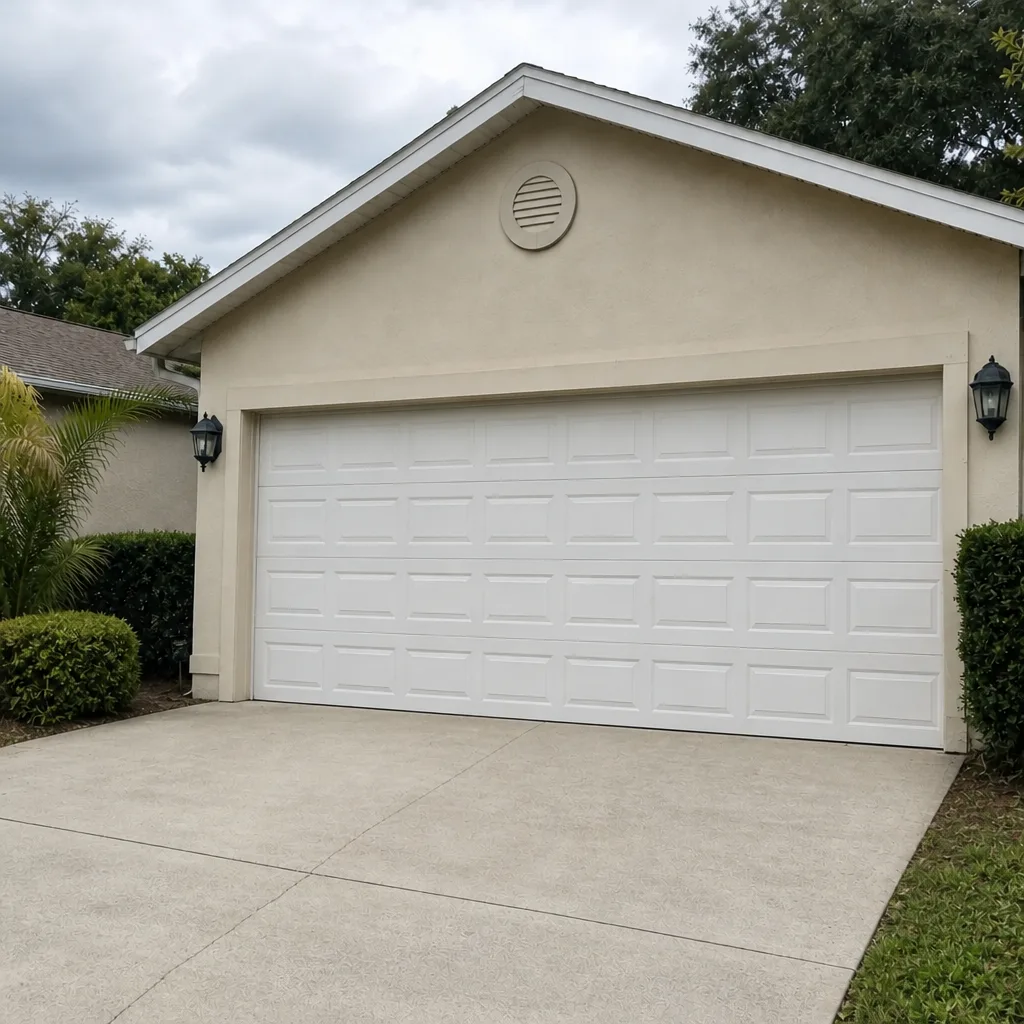 After
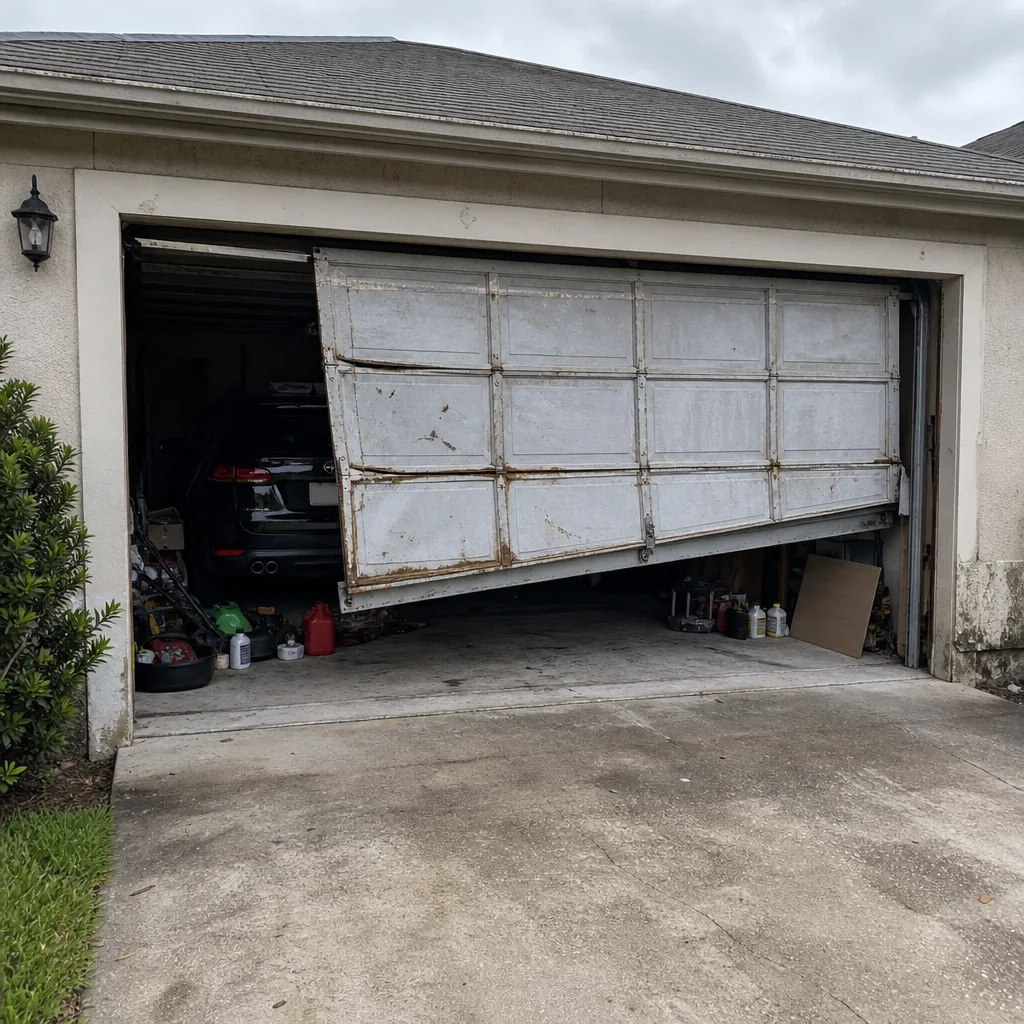 Before
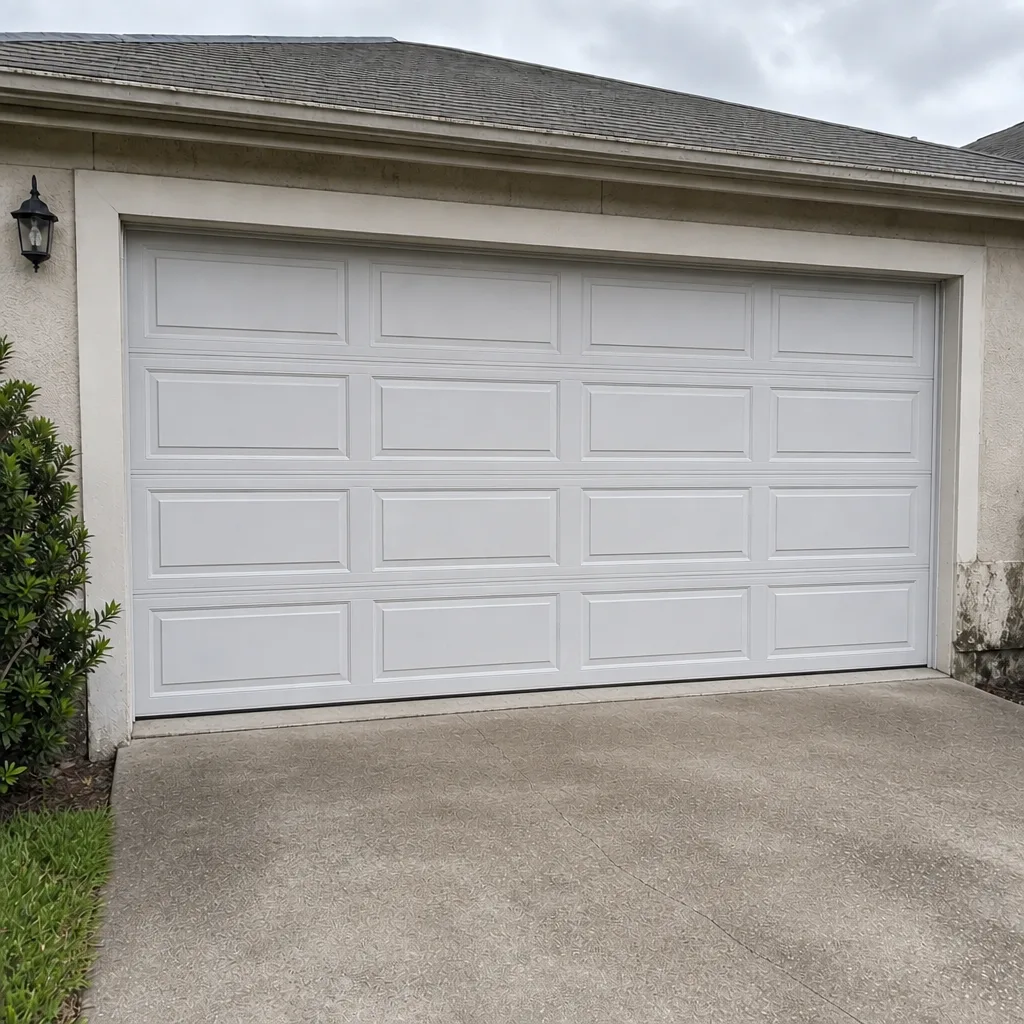 After
When to Call a Professional
Call a professional for anything involving springs, cables, or bottom brackets. These components are under tension and fail without warning when handled incorrectly. Call for balance-test failures, bent tracks, a door that won’t secure, an opener that won’t reverse, or any door that feels heavier than usual to lift. Call for a full inspection if you’ve never had one, and especially if your door is over 5 years old and hasn’t been serviced. Don’t wait for a spring to snap – spring failure is sudden and can damage the door, the opener, and anything in the garage. Wesley Chapel Garage Door Repair Pros offers free estimates in Wesley Chapel. Call (877) 657-1302. We answer 24/7, with fast dispatch from 7am to 7pm.
Frequently Asked Questions
Do the monthly checks every 10 minutes, quarterly maintenance every three months, and a professional annual service once a year. The monthly checks take minutes and catch most problems early, which matters more in this climate because humidity accelerates corrosion on springs and cables year-round.
Spring and cable inspection. Humidity accelerates rust on both, and a rusted spring is weaker and closer to snapping. If you do only one thing, look at the springs and cables every month and get them checked annually by a technician. Call (877) 657-1302 for a free estimate on a full inspection.
You can apply a dedicated spring lubricant sparingly to slow corrosion, but do not adjust, touch, or attempt to repair a spring. Any sign of damage – a gap, a stretch, or a break – is a professional call. Springs are under extreme tension and are the most dangerous component on the door.
The balance test tells you whether the springs and cables are doing their job. A door that drops or rises when lifted halfway is unbalanced, and an unbalanced door quietly destroys the opener over 6 to 12 months before any obvious symptom appears. Test it monthly.
UV damage and rain damage to the bottom seal and side seals. Florida sun cracks and hardens rubber seals faster than in milder climates, and rain wears down the adhesive. Check the bottom seal every three months for flexibility and gaps. Replacement is inexpensive and prevents water and sand damage.
Call a professional for springs, cables, bottom brackets, bent tracks, balance failures, and any opener safety issue. You can handle lubrication, cleaning tracks, and visual checks yourself. When in doubt, call. The cost of a free estimate is nothing compared to a spring injury or a damaged door.
The Bottom Line
A garage door maintenance checklist for Wesley Chapel should be built around what actually fails here: humidity-driven corrosion on springs and cables, sandy grit in tracks, and UV-damaged weatherstripping. Monthly checks take ten minutes and catch most issues early. Quarterly lubrication with the right product – not WD-40 or heavy grease – prevents the corrosion that causes emergency calls. The balance test is the single most underused check, and it protects your opener from months of hidden strain. Anything involving springs, cables, or bottom brackets is a red-line item for a professional. Our technicians have up to 12 years of experience with the brands already in your garage – LiftMaster, Chamberlain, Genie, Clopay, Amarr, Wayne Dalton, Craftsman, and Raynor. From worn springs to full replacements, one call covers it.
Call (877) 657-1302 for a free estimate. We answer 24/7. Fast dispatch from 7am to 7pm, Sunday through Friday, closed Saturday. If you’re not sure whether your door needs service, we’ll tell you straight – and if it doesn’t, we’ll say so. You can also visit our Wesley Chapel Garage Door Repair Pros home page to see everything we cover across repair, openers, springs, installation, and emergency service.
Written by the team at Wesley Chapel Garage Door Repair Pros.