
Last updated November 21, 2026
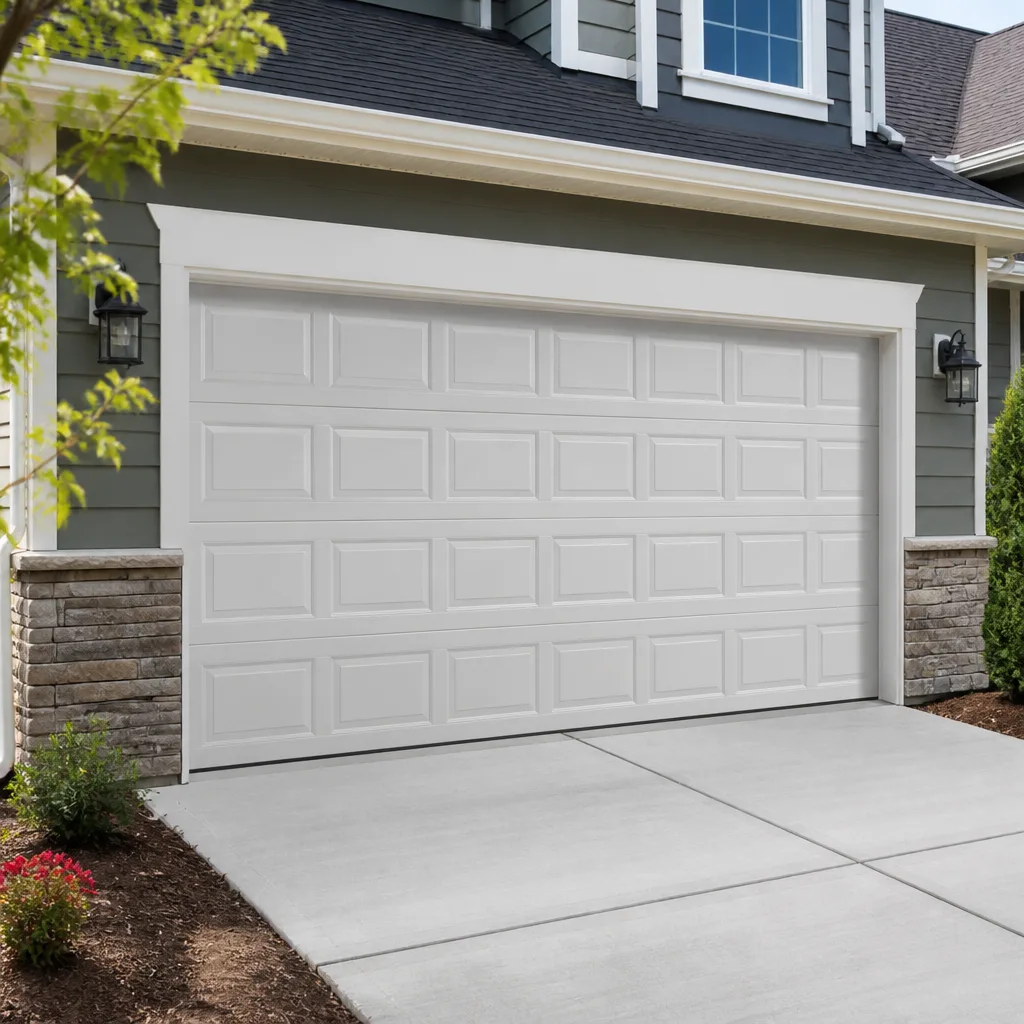 Raised-panel steel
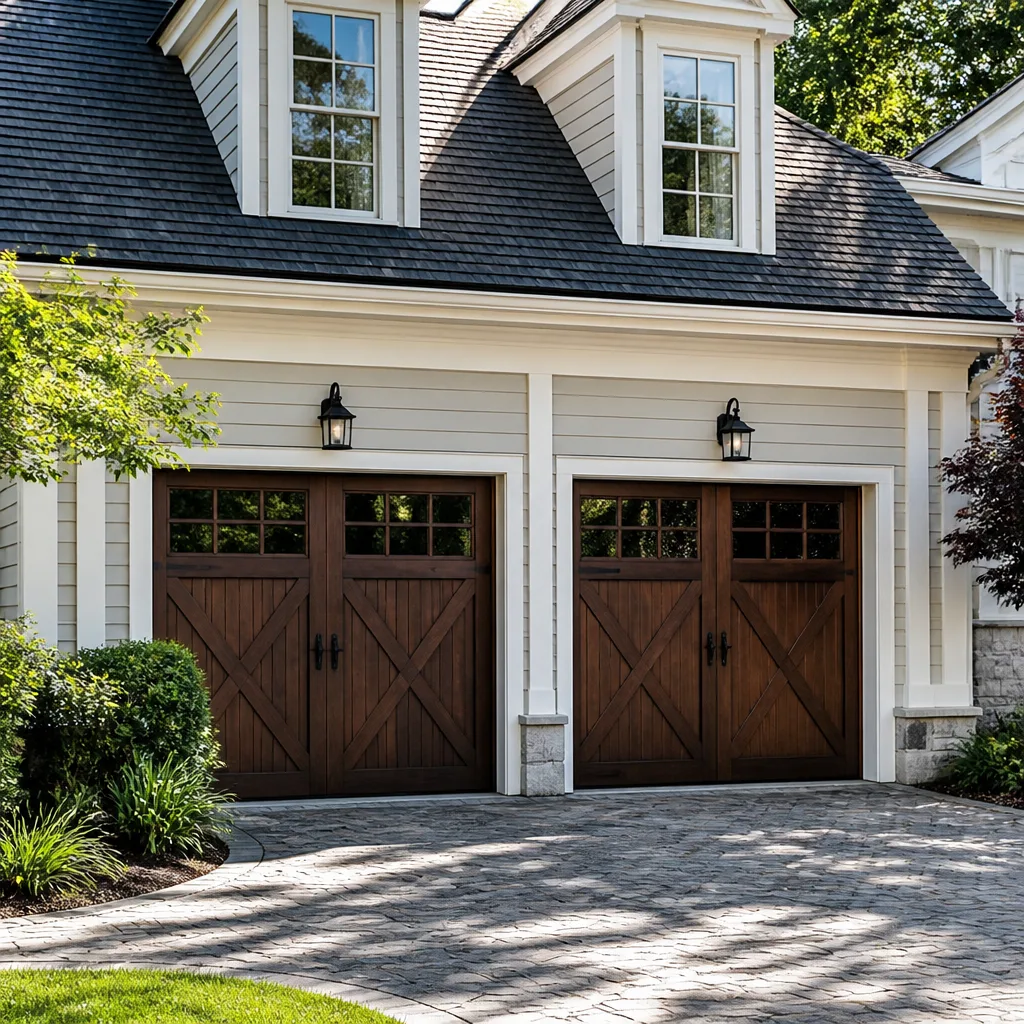 Carriage house
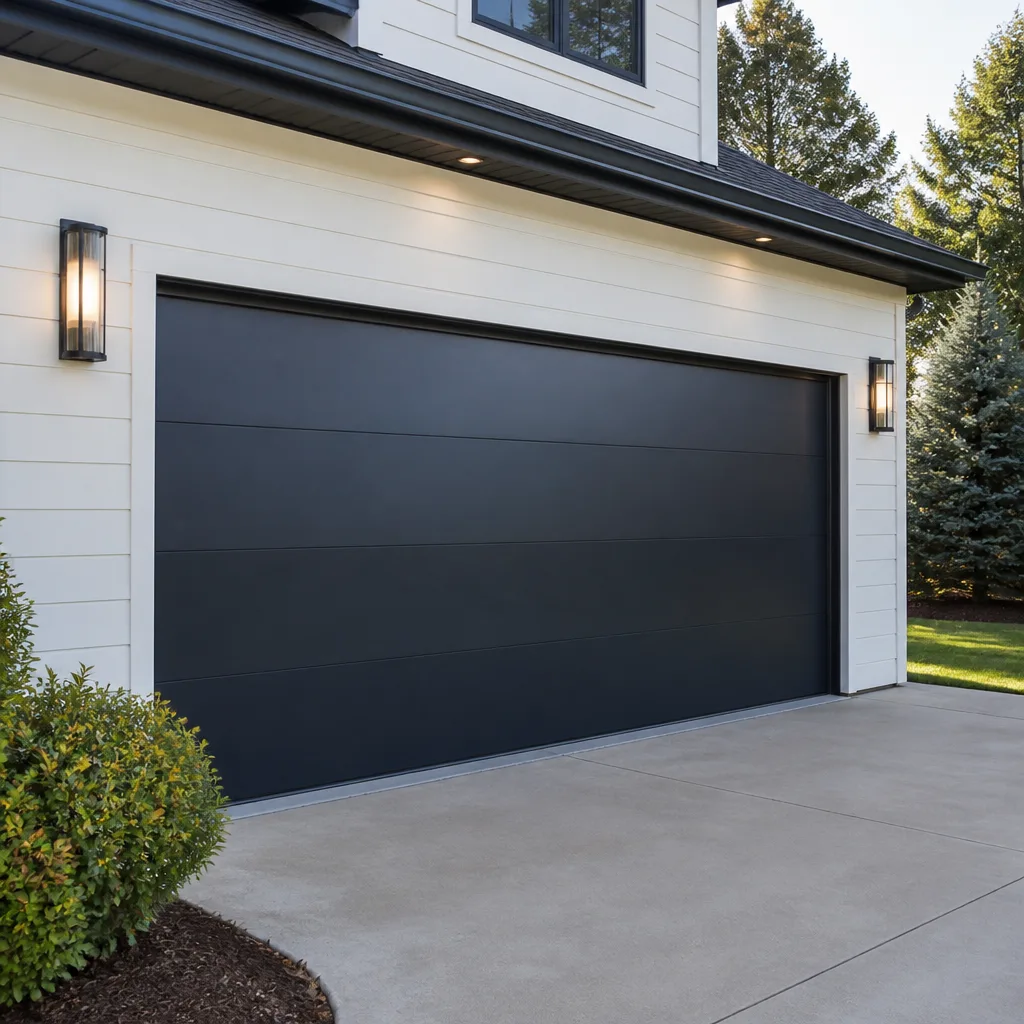 Modern flush
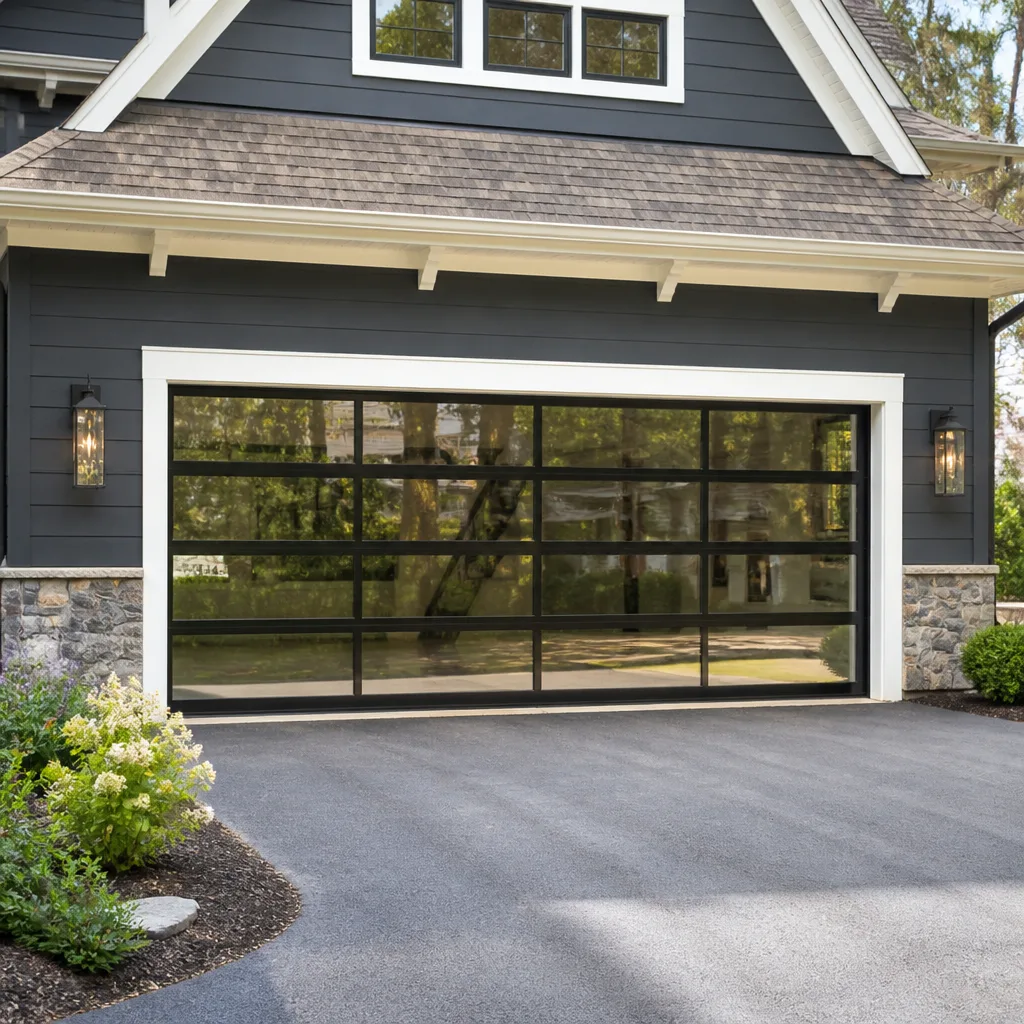 Full-view glass
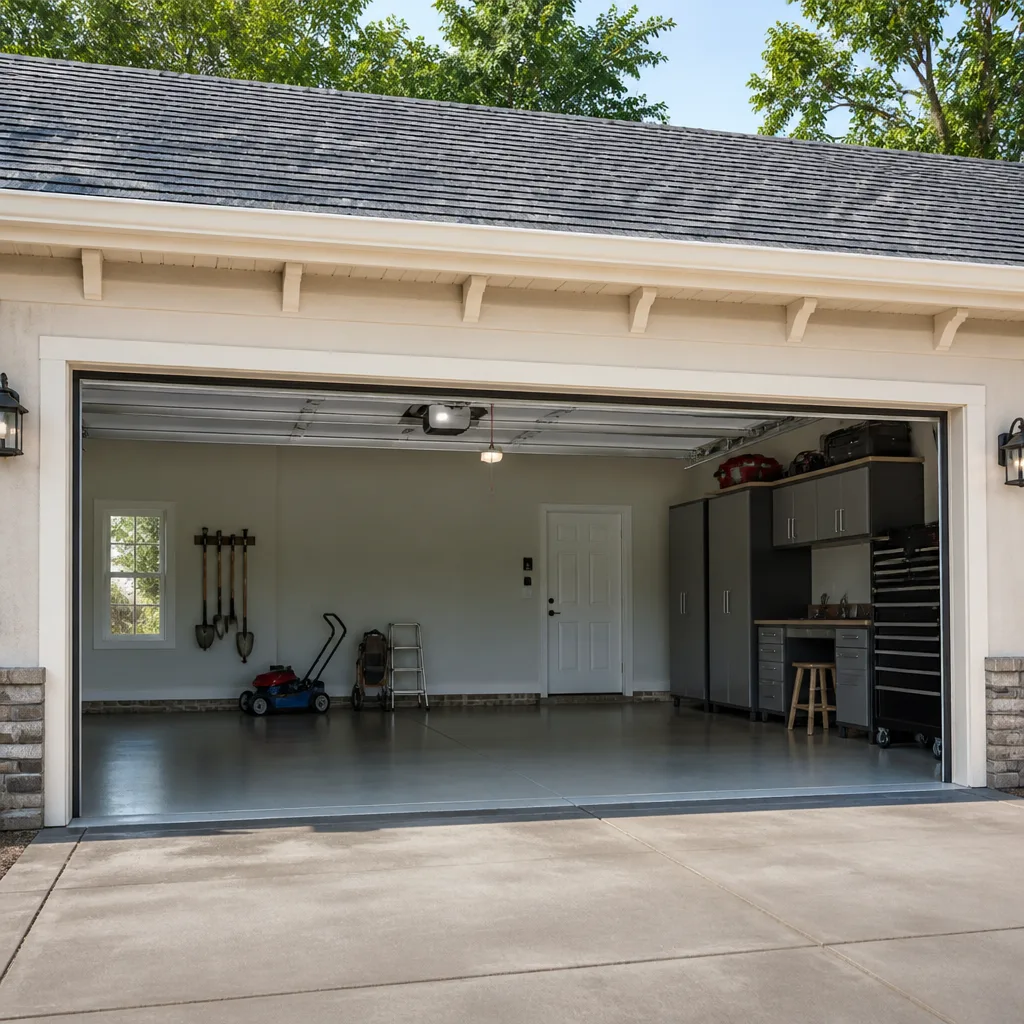 LiftMaster openers
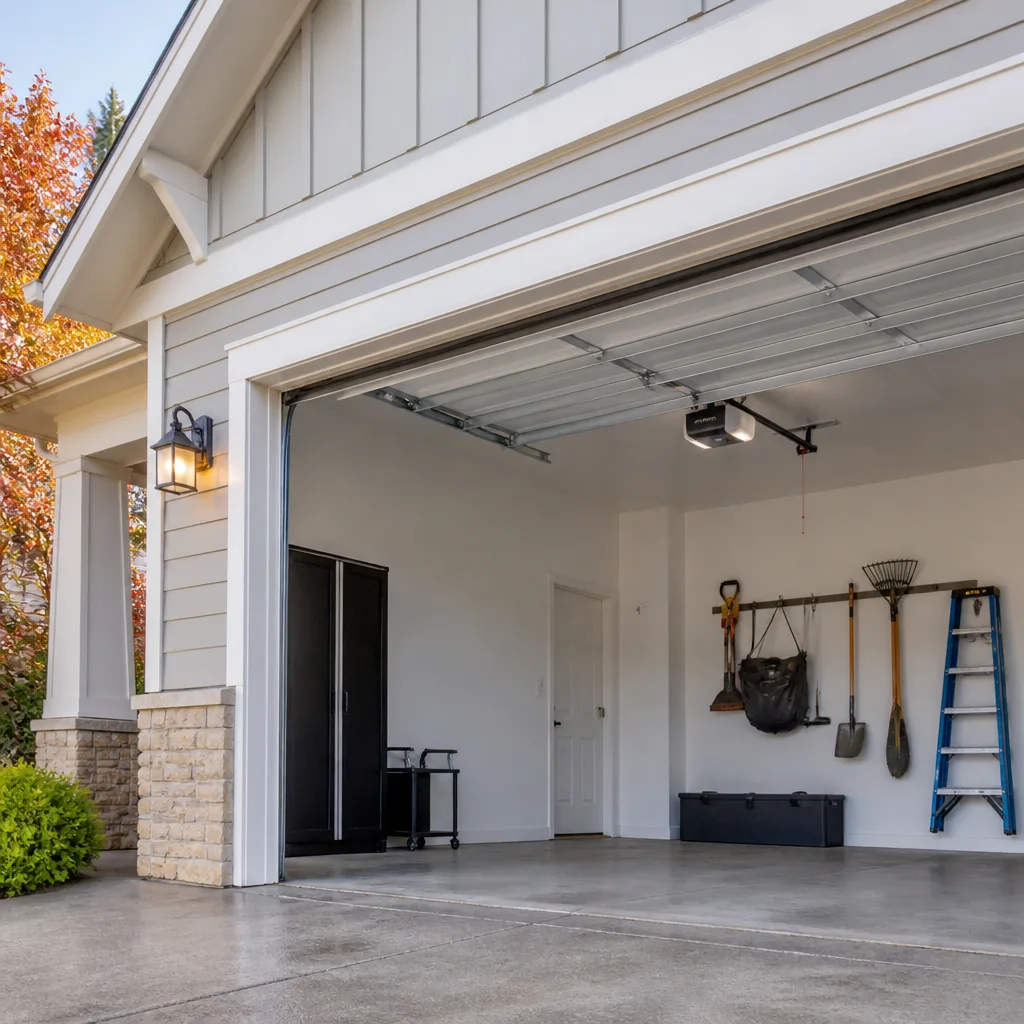 Chamberlain openers
Full 25-point door and opener safety check with every visit - springs, cables, rollers, tracks, and your LiftMaster or Chamberlain opener included
You get a price before we start. It does not change when the pro arrives.
Get your free estimateSeasonal Garage Door Care for Wesley Chapel: Year-Round Homeowner’s Guide
The standard “spring and fall garage door tune-up” advice was written for Ohio. In Wesley Chapel, skipping your pre-hurricane-season inspection in May is the equivalent of ignoring your brakes before a road trip: the consequences just show up faster. Central Florida doesn’t hand you four neat seasons. It gives you a wet season, a dry season, a storm window, and a brief mild stretch, and each one stresses a different part of your door. This guide maps maintenance to that actual calendar. You’ll learn what to check before humidity peaks, how a hurricane-rated door differs from a standard one in a named storm, what a survived storm hides for 60 to 90 days, and why the dry months are the smart window for cable and spring work.
Styles & brands we work with
- Raised-panel steel
- Carriage house
- Modern flush
- Full-view glass
- LiftMaster openers
- Chamberlain openers
Quick Answer
Garage door care in Wesley Chapel should follow the local climate, not a northern four-season template. Check and treat seals, tracks, and opener electronics in April and May before the wet season and storm window open, schedule cable and spring replacement during the dry season from November through February, and inspect the full door after any named storm for hidden damage that tends to surface 60 to 90 days later. UV and heat management is a year-round job in Central Florida, especially for finishes, weatherstripping, and opener circuit boards.
Table of Contents
- Why Wesley Chapel’s Calendar Isn’t a Four-Season Calendar
- The Pre-Wet-Season Window: April and May
- Hurricane Prep Specific to Garage Doors
- Post-Storm Inspection: Finding the Hidden Damage
- The Dry Season: Best Time for Spring and Cable Work
- Year-Round UV and Heat Management
- A Simple Monthly and Quarterly Routine
- Common Mistakes to Avoid
- When to Call a Professional
- Frequently Asked Questions
- The Bottom Line
Why Wesley Chapel’s Calendar Isn’t a Four-Season Calendar
A garage door in Wesley Chapel lives a different life than one in Columbus or Minneapolis. Instead of a deep freeze that cracks seals and a spring thaw that reveals the damage, this part of Pasco County runs on humidity, sun, and storms. That shifts which components fail first and when you should be paying attention to them.
Here’s the practical version of the local year:
- Wet season (roughly June through September): Daily humidity and afternoon storms. This is when weatherstripping, bottom seals, and any bare or chipped metal get tested hardest.
- Storm window (peaks August through October): Named storms and heavy wind-driven rain. This is when the structural role of your door matters most.
- Dry season (roughly November through February): Lower humidity and milder temperatures. This is your best scheduling window for heavier mechanical work like spring and cable replacement.
- Mild transition (roughly March into May): Warming, drying, and the last chance to prep before the wet season and storm window open.
The usual advice to “tune up in spring and fall” doesn’t map cleanly onto that. In Wesley Chapel, the highest-value inspection of the year lands in late April or May, right before humidity and storms arrive. The second most important moment is the weeks after a storm passes, when damage that isn’t obvious yet starts to show. The dry season is when you want to schedule anything that involves disassembly, because a wet-season failure in the middle of an afternoon storm is a much worse time to be dealing with it.
None of this is about being dramatic. It’s about matching the task to the season so a small, cheap fix doesn’t turn into a bigger one at the wrong moment. If you’d rather have a professional walk the whole system instead of doing it yourself, our Wesley Chapel Garage Door Repair Pros page is the place to start, and it covers the full range of what we handle.
The Pre-Wet-Season Window: April and May
April and May are the most useful maintenance weeks on the Wesley Chapel calendar. Humidity is climbing, the storm window is opening, and anything you tighten, seal, or treat now will hold up better through the summer than it will if you wait until something breaks in July. This is the inspection that a northern tune-up schedule would put in “spring,” but here it earns its keep for different reasons.
Here’s what to check and treat before the wet season settles in:
- Weatherstripping and the bottom seal. Run your hand along the sides and bottom of the closed door. Look for cracks, flattening, gaps at the corners, or a seal that no longer touches the floor. A worn bottom seal lets wind-driven rain and pests in, and humid air does the rest.
- Track alignment and hardware. Look down each track for bends, loose brackets, or rollers that have worn flat. Tighten what’s loose. Anything that looks bent or out of line is a call, not a DIY fix.
- Door balance and travel. With the opener disconnected (only if you know how to do this safely), the door should move smoothly by hand and hold roughly where you leave it. If it drops fast or feels heavy, the springs are telling you something.
- Finish and paint. Touch up any chipped paint or bare spots on steel doors before the rain season. A Clopay or Amarr steel door with a compromised finish is where rust starts, and once it starts, it’s a slow problem you can’t fully undo.
- Opener electronics and safety reverse. Test the safety reverse feature with a small object under the door. Florida’s heat and humidity are hard on opener circuit boards and photo-eye sensors, and this is the cheapest check you’ll do all year.
If any of that turns up a problem you can’t handle safely, the best time to fix it is now, not after it fails in the middle of storm season. A door that won’t close is a security issue first and a repair bill second. Our garage door repair service is set up for exactly that kind of pre-season catch, and spring work in particular is a specialized job we treat with real care.
Hurricane Prep Specific to Garage Doors
In a named storm, your garage door is one of the most structurally important openings on the house. A large, unsupported opening can become the weak point where wind pressure enters, and once wind gets inside, it pushes on the roof and walls from underneath. That’s why hurricane-rated doors exist as a category and why a standard door needs a plan for storm scenarios.
What that means in practice for Wesley Chapel homeowners:
- Know what kind of door you have. A hurricane-rated door is built and tested to hold against wind pressure. A standard door is not. If you don’t know which you have, a professional can tell you by looking at the door, its label, and its reinforcement.
- Have a reinforcement plan for a standard door. This usually means a bracing kit or a vertical reinforcement system you can install before a named storm approaches. Plan it before the season, not the day before landfall, because supplies get scarce fast.
- Test the door’s operation well ahead of a storm. A door that’s slow, noisy, or struggling to close on a normal day is not one you want to count on when the power might flicker or the wind is up.
- Keep the inside of the garage clear enough to work. If you need to brace the door, you need space in front of it. Clear it early in the season.
- Have a manual release plan. Every opener has a manual release. Know where yours is and how to use it, because a power outage during a storm is common.
We work on the brand already in your garage, which matters when you’re trying to source the right bracing hardware or a correct reinforcement kit. Brand familiarity across Clopay and Wayne Dalton doors, plus the openers that drive them, means a faster, more accurate answer when you’re preparing for a storm and don’t have time for guesswork. If you’re not sure your door is ready for the season, a free estimate gives you a straight answer without a sales pitch.
Post-Storm Inspection: Finding the Hidden Damage
A door that closes after a storm isn’t necessarily a door that came through cleanly. In our experience, the damage that matters most after a named storm tends to show up 60 to 90 days later, not the morning after. That’s the window when a bent track, a slightly twisted panel, or a stressed spring finally announces itself with a sound or a stuck door.
Here’s how to inspect a door that survived a storm, in order:
- Look at the door from the street, closed. Are the panels still flat and even? A door that looks slightly bowed or off-square is telling you something twisted under load.
- Open and close it once, slowly, and listen. Grinding, popping, or a door that hesitates is a sign that tracks, rollers, or springs took a hit.
- Look at the tracks. Run your eye down each one for bends or dents. A bent track doesn’t always jam right away, but it wears rollers and stresses the opener.
- Check the weatherstripping and bottom seal. Storm-driven rain can tear or dislodge a seal that looked fine before. Look for gaps at the floor and corners.
- Watch the opener. If the door moves more slowly than it did, or the opener seems to strain, the door’s balance may have changed. A balanced door should feel roughly neutral to the opener.
- Re-check hinges and brackets. Wind and vibration loosen hardware. Tighten what you can safely reach and note anything that looks bent.
Don’t force a door that has gone crooked or won’t close. A misaligned door under spring tension is a genuine safety hazard, and the springs and cables are the parts you never want to test by hand. That’s a trained-professional job, and it’s why spring repair is a named specialty for us rather than an afterthought.
The Dry Season: Best Time for Spring and Cable Work
The stretch from November through February is the smart window for the heavier mechanical work on your door. Lower humidity and milder temperatures mean a more comfortable job, a better shot at getting parts and scheduling on your terms, and no scrambling when an afternoon storm rolls in mid-repair. If your springs or cables are showing wear, this is when to plan the replacement, not when they fail in July.
Why the dry season works well for this:
- You’re scheduling, not reacting. Planned work is easier to line up than an emergency on a 95-degree afternoon.
- Spring pairs are usually replaced together. When one spring breaks, the other is typically the same age and under the same load, so a matched pair gets done at once. Plan for a pair, not a single spring, when you’re budgeting.
- Cables wear with the springs. A cable that’s frayed or kinked is a safety issue, and it’s best handled before it strands the door.
- Brand-matched parts are easier to source when you’re not in a hurry. Whether it’s a Genie or LiftMaster opener or a specific door brand, getting the right part for your specific system is easier on a planned timeline.
One thing to keep straight: this is dangerous, high-tension work. The springs and cables hold the full weight of the door, and a mistake can cause serious injury. This is not a job to attempt with a tutorial and a pair of gloves. If your dry-season inspection turns up worn springs or a frayed cable, that’s the moment to bring in a professional. Our garage door spring repair is built around doing this safely and correctly the first time.
Year-Round UV and Heat Management
Central Florida’s sun and heat are relentless, and they go after three things on your garage door: the finish, the weatherstripping, and the opener electronics. This is a year-round job here, not a seasonal one, because the sun doesn’t take a season off in Wesley Chapel.
Door finishes. UV fades paint and breaks down the surface of steel and wood-composite doors over time. Keep the finish intact, touch up chips promptly, and wash the door to remove the buildup that holds moisture against the surface. A door with a sound finish resists rust far better than one with bare spots, and rust on the bottom edge is one of the most common problems we see on steel doors.
Weatherstripping and seals. Heat and sun dry out rubber and vinyl, and dried-out seals crack and stop sealing. Check the bottom seal and side weatherstripping a couple of times a year and replace them when they flatten or crack. A good seal keeps out rain, humidity, and pests, and it’s one of the least expensive things you can do for your door.
Opener electronics. Heat is hard on circuit boards and sensors. Keep the opener housing clear of clutter, make sure the photo-eye sensors are clean and aligned, and pay attention to any change in how the opener behaves. If your door gets slower or the opener strains, that’s a signal worth acting on. Our garage door opener repair covers brand-matched fixes for the opener already in your garage, including Genie and LiftMaster systems.
Sun exposure also affects how a door looks. Fading is cosmetic, but it’s a sign the finish is taking a beating, and that’s a good reason to keep up on paint and protective finishes so the structure underneath stays sound.
A Simple Monthly and Quarterly Routine
You don’t need a complicated schedule to keep a Wesley Chapel garage door healthy. A few minutes a month and a slightly deeper check each quarter covers most of what matters. Here’s a routine you can actually keep up with.
Every month:
- Open and close the door and listen for anything new: grinding, popping, or hesitation.
- Look at the bottom seal and side weatherstripping for cracks or gaps.
- Test the opener’s safety reverse with a small object under the door.
- Wipe down the photo-eye sensors on the opener so they stay clean and aligned.
Every quarter:
- Tighten any loose brackets or hinge screws you can safely reach.
- Look down each track for bends or debris and clear them out.
- Check the door’s finish for chips or bare metal and touch them up.
- Note any change in how the door feels or sounds, and decide whether it needs a closer look.
Seasonally: do the pre-wet-season inspection in April and May, the post-storm check any time a named storm has passed, and plan heavier work like spring and cable replacement for the dry season. Keep a simple note of what you find so you can spot a change from one check to the next.
Common Mistakes to Avoid
- Following a northern tune-up schedule. Spring-and-fall advice doesn’t match Wesley Chapel’s wet and dry seasons. Time your checks to the storms and humidity, not the calendar page.
- Skipping the May inspection. The weeks before the wet season and storm window open are your best chance to catch a problem cheaply. Waiting until something breaks in July costs more and hurts more.
- Forgetting the post-storm check. A door that closes fine after a storm can still have a bent track or stressed spring. Inspect it, because hidden damage tends to show up 60 to 90 days later.
- Trying to fix springs and cables yourself. These parts hold the full weight of the door and can cause serious injury. Leave them to a trained professional.
- Ignoring a worn bottom seal. It’s easy to overlook, but a cracked or flattened seal lets in wind-driven rain, humidity, and pests all wet season.
- Scheduling spring work in the wrong season. Plan cable and spring replacement for the dry months, not the middle of storm season, when you’re reacting instead of scheduling.
- Letting opener electronics fry quietly. Heat and humidity wear on circuit boards and sensors. Pay attention to a slower door or a straining opener before it fails.
When to Call a Professional
Some garage door problems are a quick check, and some are a call. Anything involving springs or cables is a call, because those parts are under high tension and can cause serious injury. A door that’s off its track, won’t close or open fully, has a bent panel, or makes a loud bang is also a call. If your door shows hidden damage weeks after a storm, that’s a call too, even if it still closes. And if your dry-season inspection turns up worn springs or a frayed cable, don’t put it off. Wesley Chapel Garage Door Repair Pros offers free estimates in Wesley Chapel. We work on the brand already in your garage, across major door and opener brands, and we can tell you what’s actually needed without selling you something you don’t. Call (877) 657-1302. We answer 24/7. Fast dispatch from 7am to 7pm, Sunday through Friday.
Frequently Asked Questions
Plan on a pre-wet-season inspection in April or May, a post-storm check after any named storm, and a monthly look at seals, tracks, and the opener. That rhythm fits Wesley Chapel’s wet and dry seasons better than a standard spring-and-fall tune-up. Call (877) 657-1302 for an exact quote if you’d rather have a professional walk the whole system; estimates are free.
Yes, the dry season from November through February is the best time to plan spring and cable work. You’re scheduling on your terms rather than reacting mid-storm, and lower humidity makes for a smoother job. A matched pair is usually replaced together since both springs are the same age. Call (877) 657-1302 for a free estimate.
Stop forcing it and have it looked at. A door that closes after a storm can still have a bent track, a twisted panel, or a stressed spring, and that damage often shows up 60 to 90 days later. Never test springs or cables by hand. Call (877) 657-1302; estimates are free.
Not every home does, but every standard door needs a storm plan. A hurricane-rated door is built and tested to hold against wind pressure; a standard door isn’t, so it usually needs a bracing or reinforcement system for a named storm. We can tell you which kind you have and what it needs. Call (877) 657-1302 for a free estimate.
Very likely, yes. We work on the brand already in your garage across major residential door and opener brands, including Genie, Clopay, Amarr, Wayne Dalton, LiftMaster, Chamberlain, Craftsman, and Raynor. That brand familiarity means accurate diagnosis and the right part the first time. Call (877) 657-1302 for a free estimate.
Keep the finish and seals intact and stay ahead of the seasons. Touch up chips before rust starts, replace a cracked bottom seal, keep the opener sensors clean, and time your inspections to the wet season and storm window. For anything involving springs or cables, call a professional. Call (877) 657-1302 and we’ll take a look.
The Bottom Line
Wesley Chapel doesn’t run on four seasons, so your garage door care shouldn’t either. The wet season, storm window, dry season, and brief mild period each demand a different kind of attention, and matching your tasks to that real calendar is what keeps a door working. Do your pre-wet-season check in April and May, brace and prep for storms, inspect for hidden damage after a named storm, schedule spring and cable work for the dry months, and manage UV and heat year-round. Anything involving springs or cables belongs with a trained professional. Wesley Chapel Garage Door Repair Pros covers repair, opener repair, spring repair, and installation, and we work on the brand already in your garage. For a free estimate and a straight answer, call (877) 657-1302. We answer 24/7. Fast dispatch from 7am to 7pm, Sunday through Friday.
Written by the team at Wesley Chapel Garage Door Repair Pros.
See the difference
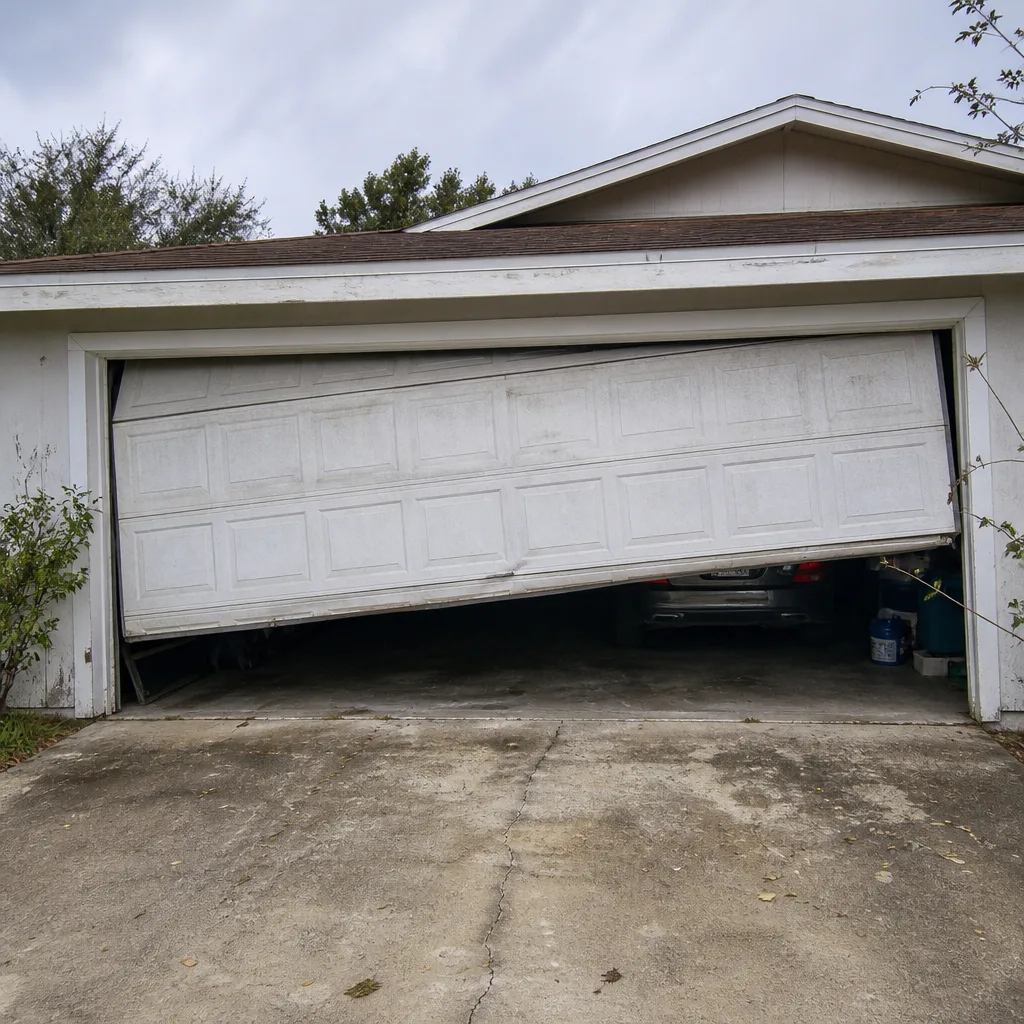 Before
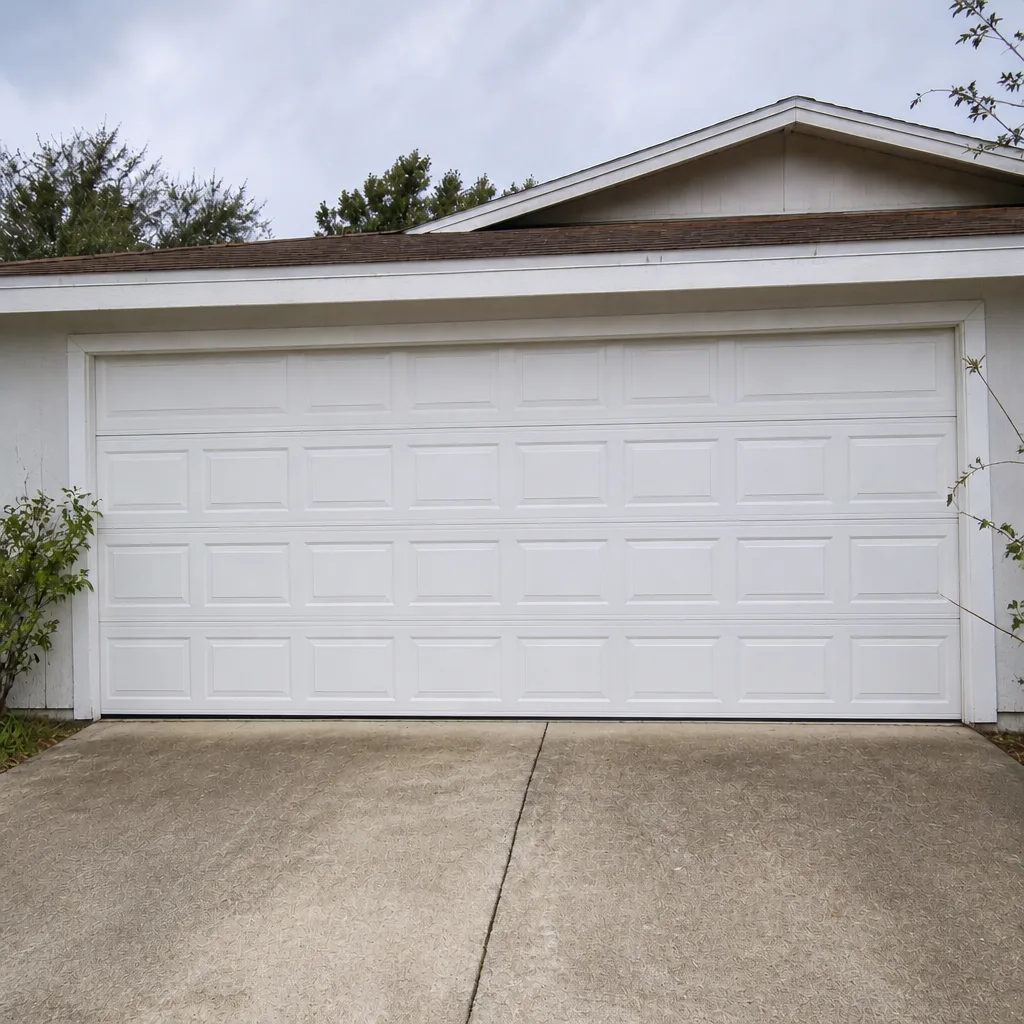 After
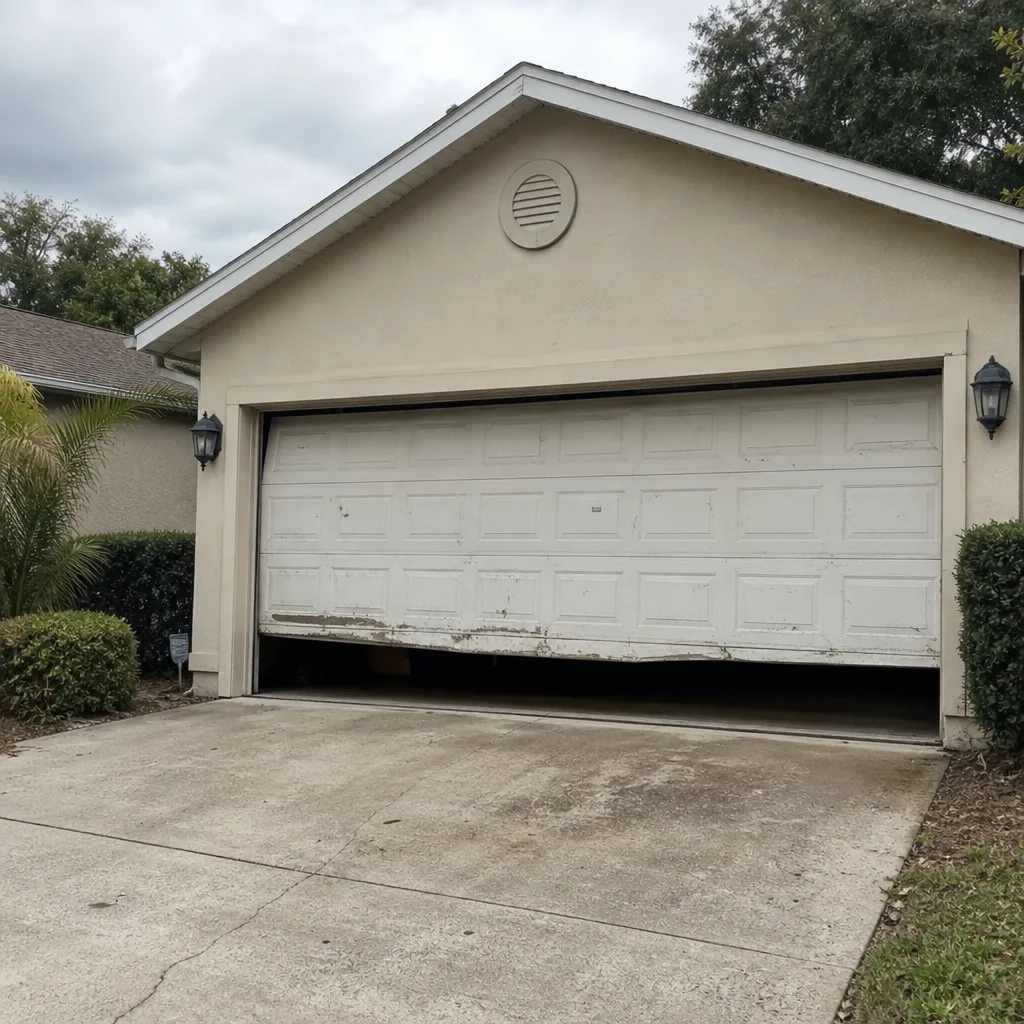 Before
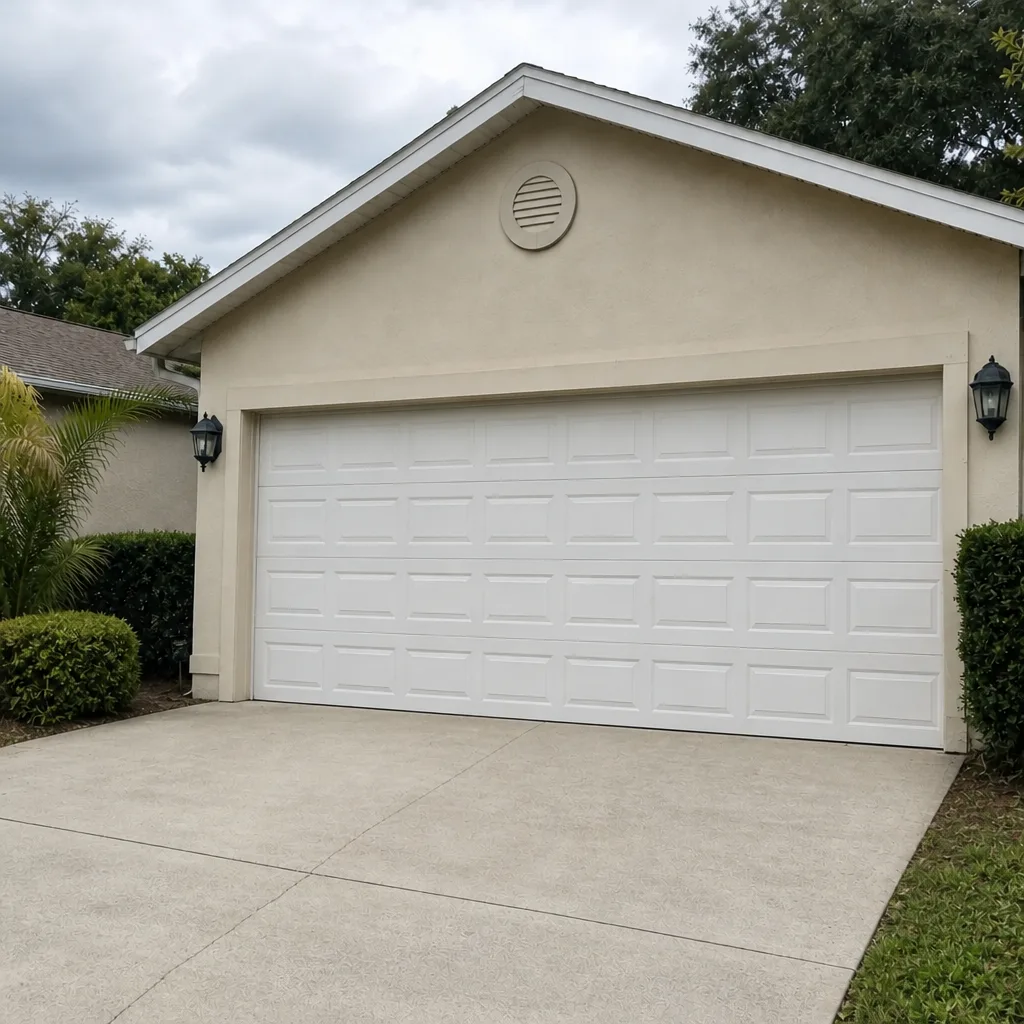 After
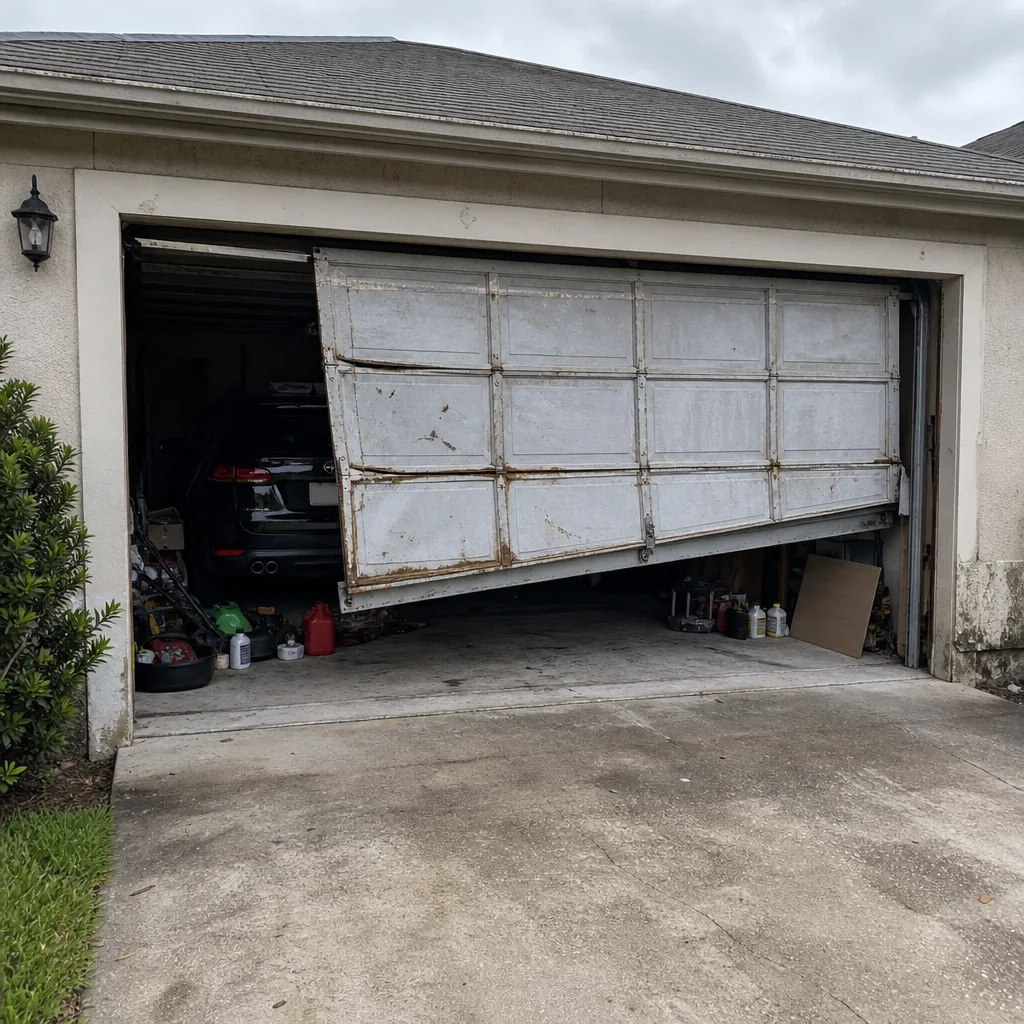 Before
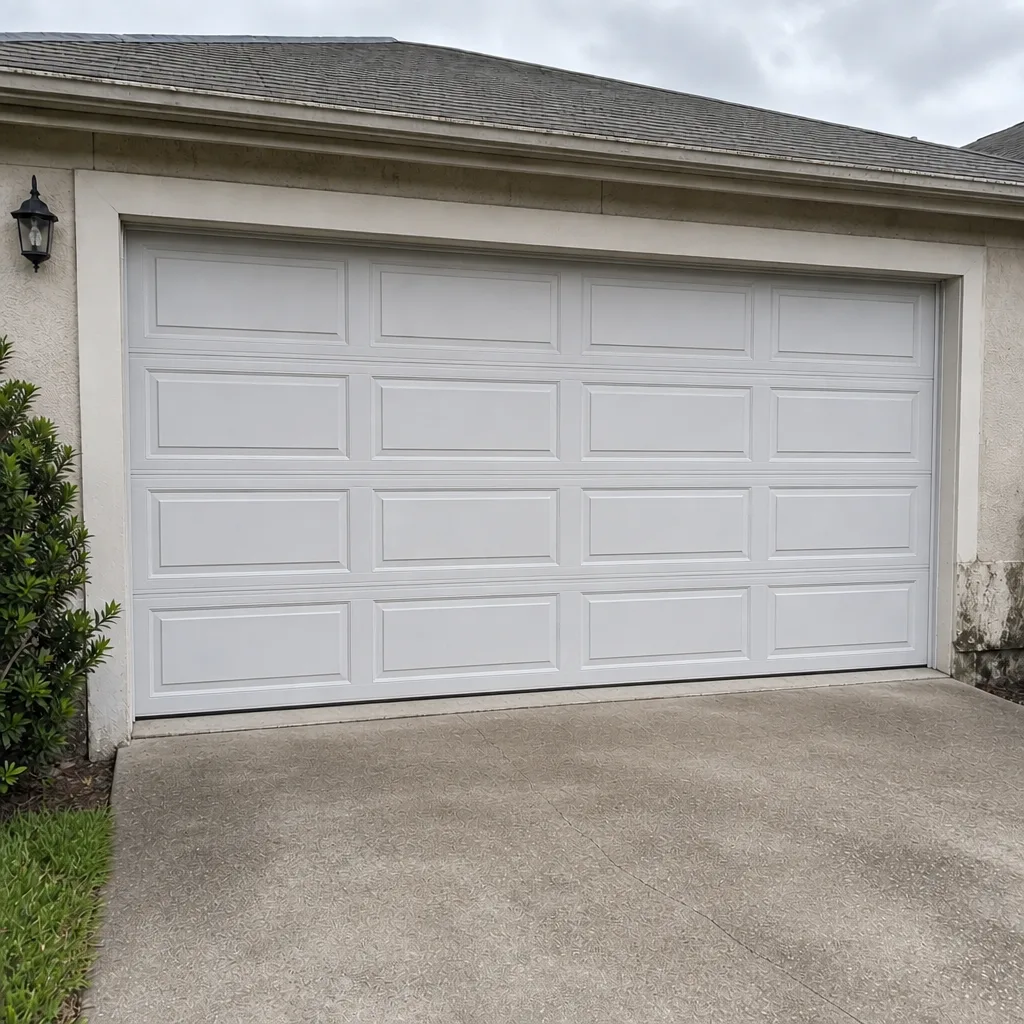 After