
Last updated November 21, 2026
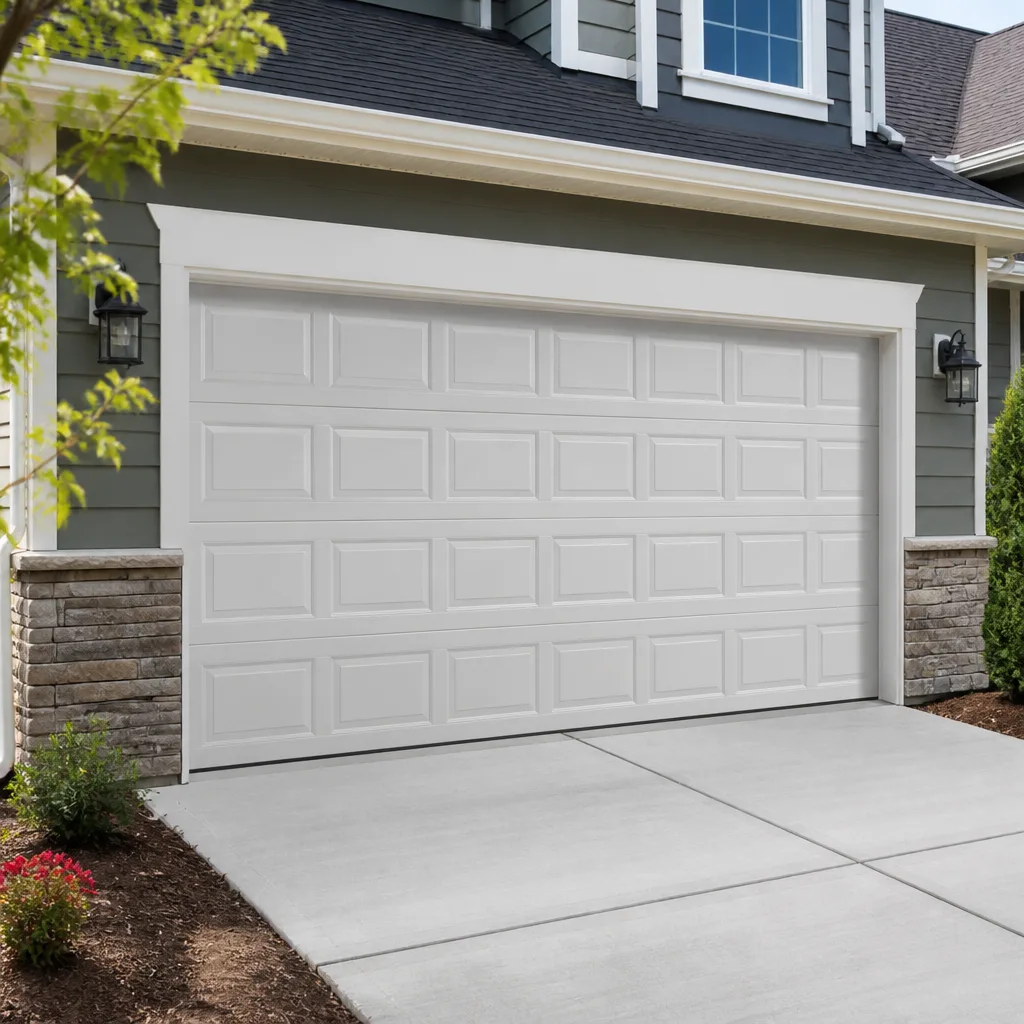 Raised-panel steel
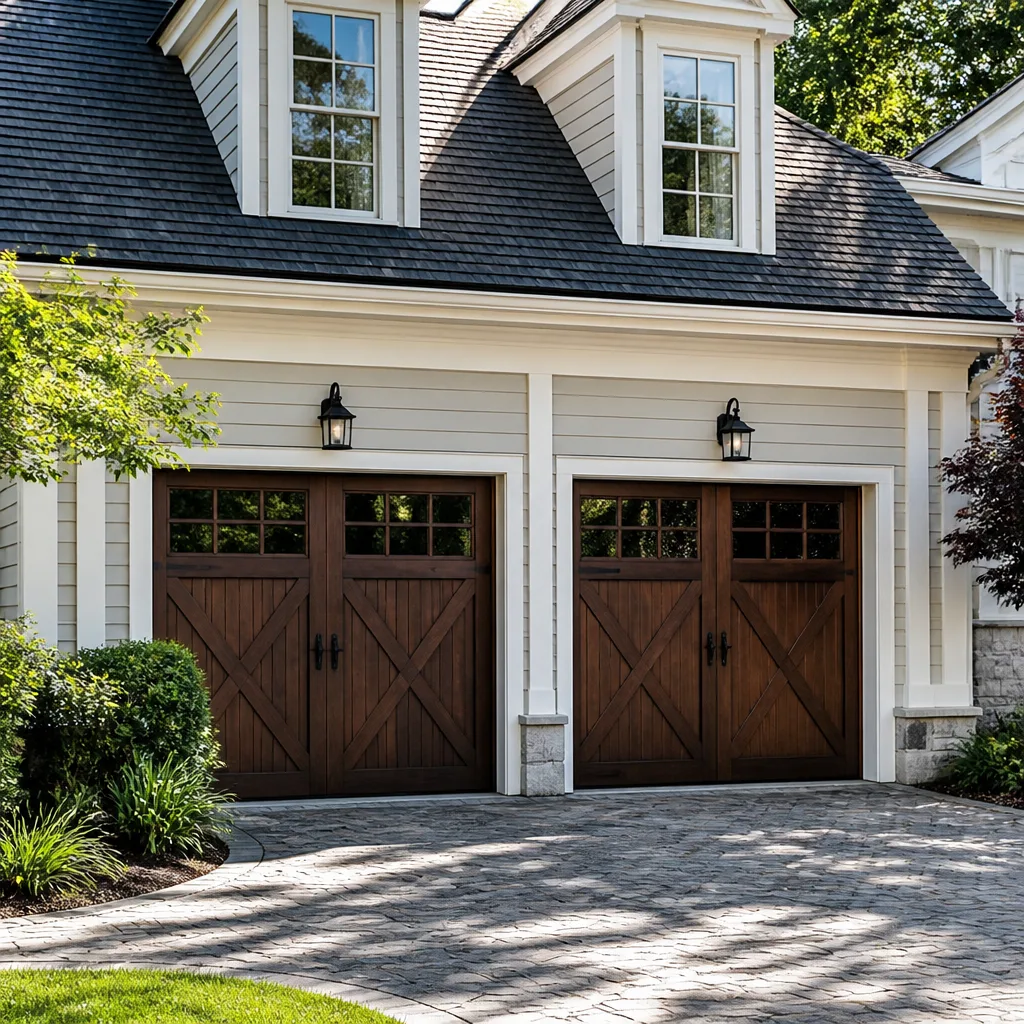 Carriage house
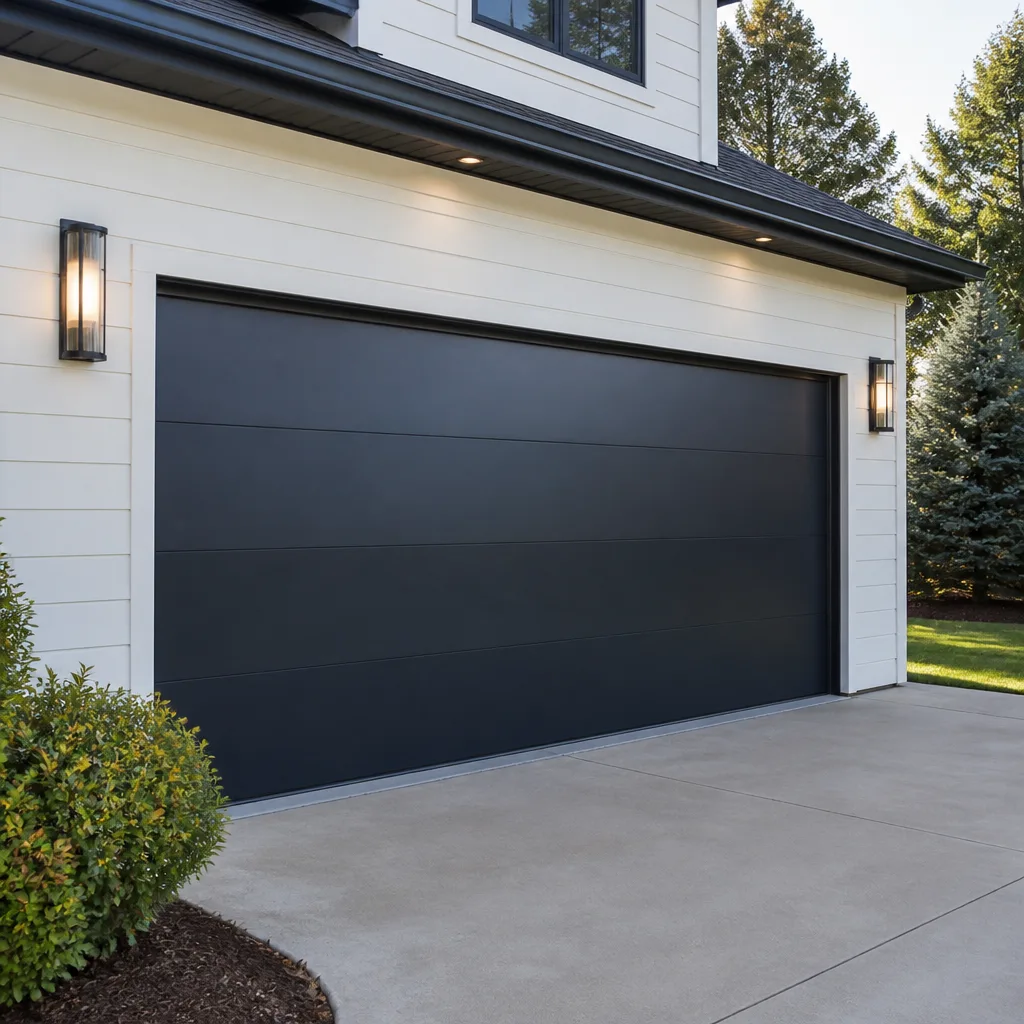 Modern flush
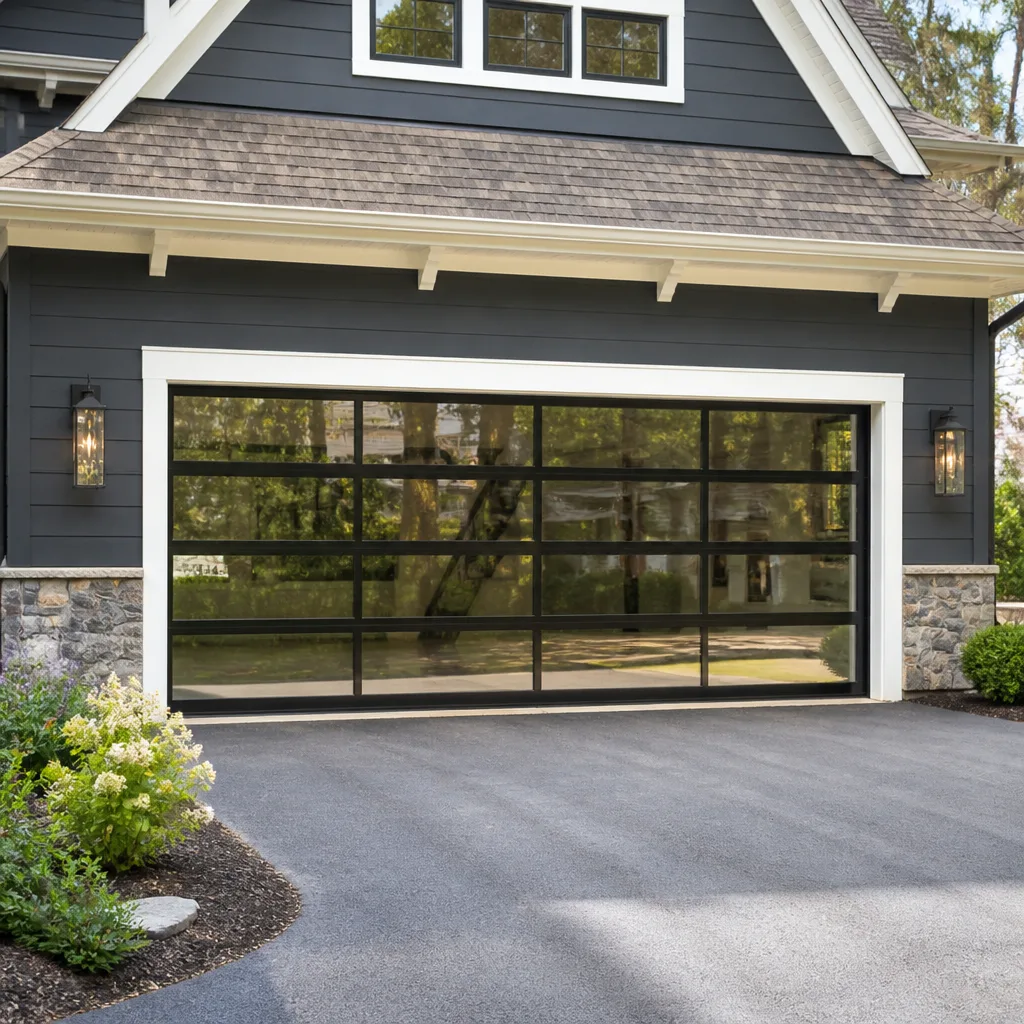 Full-view glass
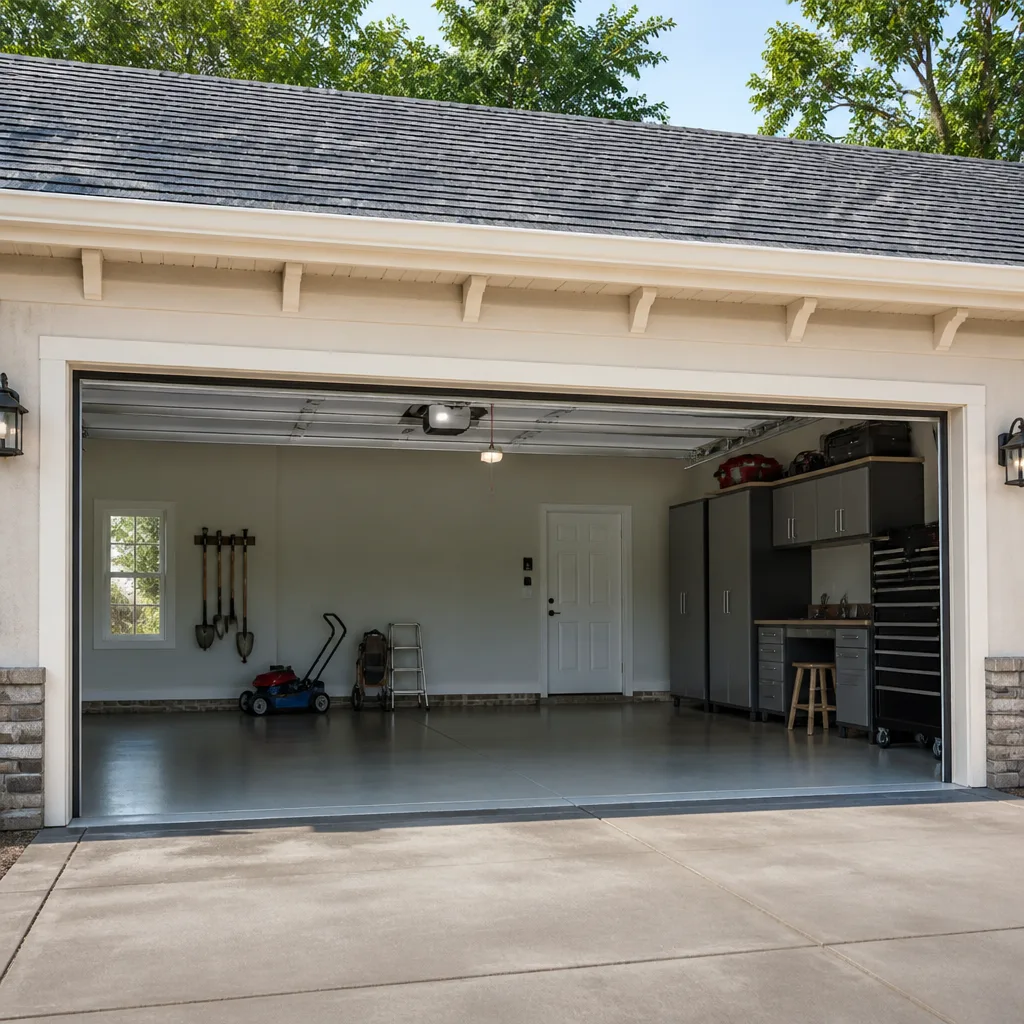 LiftMaster openers
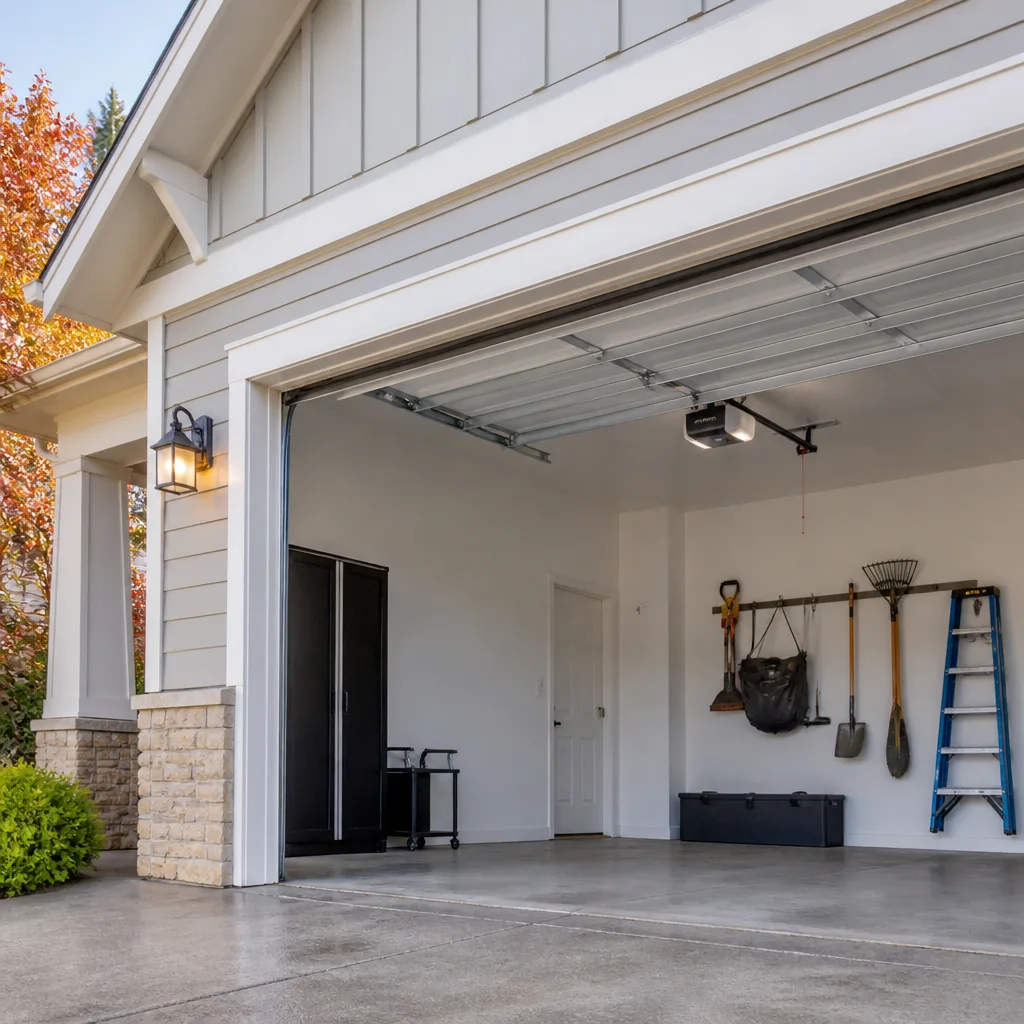 Chamberlain openers
Full 25-point door and opener safety check with every visit - springs, cables, rollers, tracks, and your LiftMaster or Chamberlain opener included
You get a price before we start. It does not change when the pro arrives.
Get your free estimateThe Complete Guide to Garage Doors in Wesley Chapel
Most people assume a garage door fails slowly. It doesn’t, not really. In Wesley Chapel, the door that worked fine last week can be the door that won’t close tonight, and the reason usually traces back to how it was built and installed, not how it was used. If your home went up in one of the major subdivisions during the last decade, there’s a good chance it carries the same builder-grade hardware as thousands of neighbors. That shared hardware means shared failure patterns, and understanding yours is the starting point for every repair or upgrade decision. This guide walks through what Wesley Chapel homeowners actually own, what tends to wear first, and how to decide between fixing and replacing.
Quick Answer
Garage doors in Wesley Chapel are dominated by builder-grade packages from a small number of manufacturers, installed in new-build subdivisions where humidity, storm season, and daily use wear springs and cables faster than the national average. Most repair decisions come down to three things: your door’s data plate, the condition of the springs and cables, and whether the real problem sits in the door itself or in the opener. This guide covers all three, plus how to decide between repair and replacement for a Florida home.
Styles & brands we work with
- Raised-panel steel
- Carriage house
- Modern flush
- Full-view glass
- LiftMaster openers
- Chamberlain openers
Table of Contents
- Why Wesley Chapel Doors Are So Predictable
- What’s Installed in Epperson, Wiregrass Ranch, and Watergrass
- How Wesley Chapel Humidity and Storm Season Affect Your Door
- Builder-Installed vs. Properly Spec’d for Florida
- How to Read Your Door’s Data Plate
- Repair or Replace: A Decision Map
- When the Door Is Fine and the Opener Is the Problem
- Spring Repair and Why It’s a Job for a Professional
Why Wesley Chapel Doors Are So Predictable
Wesley Chapel grew fast, and fast growth leaves a signature. When a subdivision goes in, builders buy door packages in bulk from a handful of suppliers, and those packages get installed across hundreds of homes with the same dimensions, the same spring sizing, and the same opener mount. The result is that a home in one part of town often has near-identical garage hardware to a home several neighborhoods away. For homeowners, that predictability cuts two ways. It means repairs are well understood, because technicians have worked on the same configuration many times. It also means the wear patterns repeat across the whole community at roughly the same pace.
A builder-grade door isn’t inferior. It’s built to meet code and hold up under normal use, and most of it does. What it isn’t built for is the long haul. The springs in a standard builder install are usually rated for a lower cycle count than the springs you’d choose if you were spec’ing a door yourself, and the cables, rollers, and hinges are the economical versions. In a mild climate with heavy daily use, that shows up as spring fatigue sooner than many homeowners expect.
What every Wesley Chapel homeowner should know about their builder door
- The spring rating matters more than the door’s color or panel style. It sets how many open-and-close cycles you get before replacement.
- Builder packages often skip the reinforcement that heavier doors get, which matters if your door is large or your opener is strong.
- Opener brands vary across subdivisions, but the common residential names – LiftMaster, Chamberlain, Genie, and Craftsman – cover most of what we see.
- Weatherstripping and bottom seals are the first things to degrade in Florida humidity, and the cheapest to replace.
If you’re seeing failures in your neighborhood, that’s useful information about your own door, not a coincidence. The same hardware ages on the same schedule.
What’s Installed in Epperson, Wiregrass Ranch, and Watergrass
Wesley Chapel’s major subdivisions each have their own build timeline and their own typical door packages, and knowing which one your home belongs to tells a technician a lot before anyone opens a toolbox. Epperson, Wiregrass Ranch, and Watergrass all went in during the same broad stretch of growth, but they didn’t all use the same suppliers or the same door configurations. Some favor two-car doors with a single wide panel, some have carriage-style accents, and the opener setups vary from one section to the next.
What ties them together is the era. Doors installed in that window share a maintenance timeline: springs reaching their rated cycles around the same age, cables showing their first fraying at similar points, and openers starting to show gear wear within a comparable window. When homeowners in Watergrass call about a snapped spring, the fix is rarely a surprise – it’s the expected next step for a door of that vintage.
How to use your subdivision as a diagnostic clue
- Identify your door’s manufacturer. Clopay, Amarr, Wayne Dalton, and Raynor are the most common names on residential doors in Wesley Chapel. The data plate or a stamp inside the door usually tells you.
- Identify your opener. Check the motor housing for the brand label. LiftMaster, Chamberlain, Genie, and Craftsman dominate the residential market here.
- Note the door size and panel style. A single-car door and a double-car door in the same subdivision wear at different rates because of weight and cycle count.
- Match against your neighbors’ experiences. If the same door model in the same subdivision is failing at a similar age, plan for yours to do the same.
This is the advantage of local knowledge. We work on the brand already in your garage, and we’ve seen these exact configurations across Wesley Chapel many times, which shortens diagnosis and helps us source the right part the first time.
How Wesley Chapel Humidity and Storm Season Affect Your Door
Florida’s climate is gentle on a garage door in some ways and hard on it in others. There’s no snow load, no freeze-thaw cycling, and no road salt to corrode the hardware. But humidity is constant, and storm season brings wind-driven rain and pressure changes that put real stress on the system. The net effect is that a Wesley Chapel door often wears differently than a door in a drier climate – not always faster in every component, but faster in specific ones.
Metal components are the first to feel it. Springs, cables, hinges, and rollers are all steel, and steel in humid air is steel that wants to rust. Rust on a torsion spring creates a stress point, and a stress point is where a spring eventually breaks. Cables corrode from the inside out, so the damage isn’t visible until it matters. Rollers stiffen, which raises the load on the opener and shortens its life. Hinges seize, which makes the door harder to lift and accelerates wear on everything downstream.
Where humidity does the most damage
- Springs and cables. Corrosion weakens the wire and creates failure points before the spring reaches its rated cycle count.
- Bottom seals and weatherstripping. Rubber degrades in heat and humidity, letting water and pests in and letting cooled air out.
- Rollers and hinges. Lubrication breaks down faster, which increases friction and load on the opener.
- Track alignment. Wood framing and hardware expand and contract with moisture, and a track that drifts out of alignment binds the door.
Storm season adds a second layer. Wind-driven rain finds gaps in seals, and the pressure changes that come with a storm can test a door that was already marginal. The practical takeaway: keep the hardware lubricated, replace seals before they fail, and have springs and cables inspected before storm season rather than after.
Builder-Installed vs. Properly Spec’d for Florida
A builder-installed door and a door spec’d specifically for Florida conditions aren’t the same product, even when they look identical from the street. The builder version is designed to meet code, pass inspection, and stay within the construction budget. A properly spec’d door for this climate accounts for the humidity, the daily use cycle, and the fact that many Wesley Chapel homeowners treat the garage as a primary entry point, which means far more open-and-close cycles than a typical household.
The differences aren’t dramatic, but they add up. Springs sized for a higher cycle count last longer before replacement. Better rollers and hinges resist corrosion longer. A properly reinforced door handles a stronger opener without stress on the panels. Insulation and sealing make a real difference when the garage shares a wall with the house. When we install a new door, we spec it around the actual use pattern, not the minimum.
What a properly spec’d Florida door includes
- Springs rated for a higher cycle count than a standard builder package
- Corrosion-resistant rollers and hinges
- A bottom seal rated for heat and humidity
- Reinforcement sized to the door and the opener
- Insulation and weather sealing where the garage adjoins living space
- An opener matched to the door’s weight and dimensions
“Better” here means matched to the job, not bigger or more expensive by default. A door that’s over-spec’d for a two-car garage with light use is just money spent on hardware the homeowner will never wear out. The right spec is the one sized to how the door actually gets used.
How to Read Your Door’s Data Plate
Before you call anyone, read your door. Most residential garage doors carry a data plate or manufacturer’s sticker on the inside of a panel or on the end stile, and it tells you exactly what you have. That matters because a technician can diagnose faster and quote more accurately when you can tell them the door’s manufacturer, model, and size before they arrive. The plate also helps you confirm what a previous owner installed, especially in a home that’s changed hands.
Step-by-step: reading your data plate
- Open the door and look at the inside of the panels. The sticker is usually on the top panel’s interior or the end stile.
- Write down the manufacturer name. Clopay, Amarr, Wayne Dalton, and Raynor are the most common in Wesley Chapel subdivisions.
- Record the model number and door width and height. These determine spring sizing and replacement options.
- Note the serial number. It helps verify the build date and exact configuration.
- Check the opener separately. The motor housing carries its own brand and model label.
If you can’t find a plate, don’t worry. It’s common on older or repainted doors. A technician can identify the door by its panel profile and hardware, and we work across the major brands, including Clopay, LiftMaster, Chamberlain, and Genie, so we’re rarely looking at something unfamiliar.
Repair or Replace: A Decision Map
Most garage door decisions come down to a handful of factors, and they aren’t hard to work through once you know what to look at. The door itself can be fine while the opener is failing, or the opener can be fine while the door is at the end of its life. Separating the two is the first step.
Repair makes sense when:
- The door is structurally sound and the panels aren’t damaged or rotting
- A single component failed – a spring, a cable, a roller, a hinge, a seal
- The opener is functional and only one part of it needs attention
- The door still tracks straight and closes flush
Replacement makes sense when:
- The door is showing multiple failures at once, which usually means it’s near the end of its cycle life
- Panels are damaged, delaminating, or have rusted through
- The door is undersized or under-reinforced for the opener and the daily use
- You’re upgrading for insulation or security reasons that the current door can’t meet
When the door is fine but the opener is the problem
This is one of the most common situations in Wesley Chapel. The door itself is in good shape, the springs are holding, but the opener won’t lift, reverses immediately, or the light flashes with no movement. That’s a different job, and it’s usually cheaper than a replacement. Opener repair covers the motor, the gears, the logic board, the safety sensors, and the drive system, and brand matters here – the right part for your specific opener means less guesswork and a faster fix. We work on LiftMaster, Chamberlain, Genie, and Craftsman systems, along with other major brands.
If the door won’t open or close at all, that’s not a repair decision – it’s an emergency. Call (877) 657-1302. We answer 24/7. Fast dispatch from 7am to 7pm, Sunday through Friday.
When the Door Is Fine and the Opener Is the Problem
An opener that fails doesn’t always mean a replacement. Many problems – a misaligned safety sensor, worn gears, a failing logic board, a stripped drive gear, or a remote that’s lost its programming – are straightforward repairs, and the opener keeps working for years afterward. The key is diagnosing the actual failure rather than replacing the whole unit on suspicion.
Chamberlain and LiftMaster systems share a lot of engineering, so a technician familiar with one can usually diagnose the other quickly. Genie and Craftsman units have their own quirks. The right part for your specific opener is what makes the difference between a repair that holds and one that fails again.
Signs your opener needs repair, not replacement
- The door reverses before it closes, and the sensors look misaligned or dirty
- The motor runs but the door doesn’t move, which often means a stripped gear or drive issue
- The remote works intermittently, which is usually a programming or battery problem
- The opener is loud but functional, often a sign of worn gears or rollers
- The wall control works but the remote doesn’t, which points to the receiver
If you’re not sure which it is, a quick diagnosis sorts it out. Our garage door opener repair covers the full range of opener brands and failure points, so you don’t need to guess.
Spring Repair and Why It’s a Job for a Professional
Torsion and extension springs are under heavy tension at all times, and they hold enough stored energy to cause serious injury if released incorrectly. This is one of the few home-repair tasks where the risk isn’t a bad result – it’s a dangerous one. Springs break with force, and the tools and procedures for replacing them safely aren’t the kind of thing a homeowner should improvise.
That’s why spring repair is a named specialty for us, not a side job we take when it comes up. It’s the most mechanically hazardous repair in the trade and the one most often botched by generalists. The job itself usually takes a technician well under an hour, but only when it’s done with the right tools and the right spring sizing. Getting the spring wrong means the door is unbalanced, the opener works harder, and the next failure comes sooner.
What to do if a spring breaks
- Don’t try to open the door manually. A door with a broken spring is dangerously heavy and can fall.
- Keep the door closed if it’s already down. An open door with a broken spring can drop.
- Don’t try to replace the spring yourself. The tension is high enough to cause serious injury.
- Call us. Spring repair is a same-day fix in most cases, and we carry the parts for common configurations.
If your spring has snapped, call (877) 657-1302. We answer 24/7. Fast dispatch from 7am to 7pm, Sunday through Friday. Our garage door spring repair covers torsion and extension systems across all the major door brands, and the price is quoted and agreed before any work starts.
Common Mistakes to Avoid
- Ignoring the data plate. Many homeowners call without knowing what door they have, which slows diagnosis and can lead to the wrong part. Read the plate first, or let us identify it.
- Replacing the opener when the door is the problem. A worn roller or misaligned track makes a good opener work harder, and a new opener on a bad door fails fast. We diagnose the whole system, not just the motor.
- Trying to fix a broken spring yourself. This is where the injuries happen. Springs store enough energy to break bones, and the risk isn’t worth it when a technician can do it safely in under an hour.
- Ignoring a slow-closing or reversing door. A door that reverses on its own is often a safety sensor issue, but sometimes it’s a sign of a failing spring or opener. Don’t wait for it to stop working entirely.
- Skipping lubrication and seal checks. Wesley Chapel’s humidity accelerates corrosion on every steel component. A few minutes of maintenance twice a year goes a long way.
- Buying a new door without checking what’s already there. Many Wesley Chapel doors are in good enough shape for a repair or an upgrade – a spring, an opener, or new seals – rather than a full replacement.
- Treating a garage door as a handyman job. Springs, cables, and opener alignment are specific technical work. A generalist can get the door moving, but the fix doesn’t always hold.
See the difference
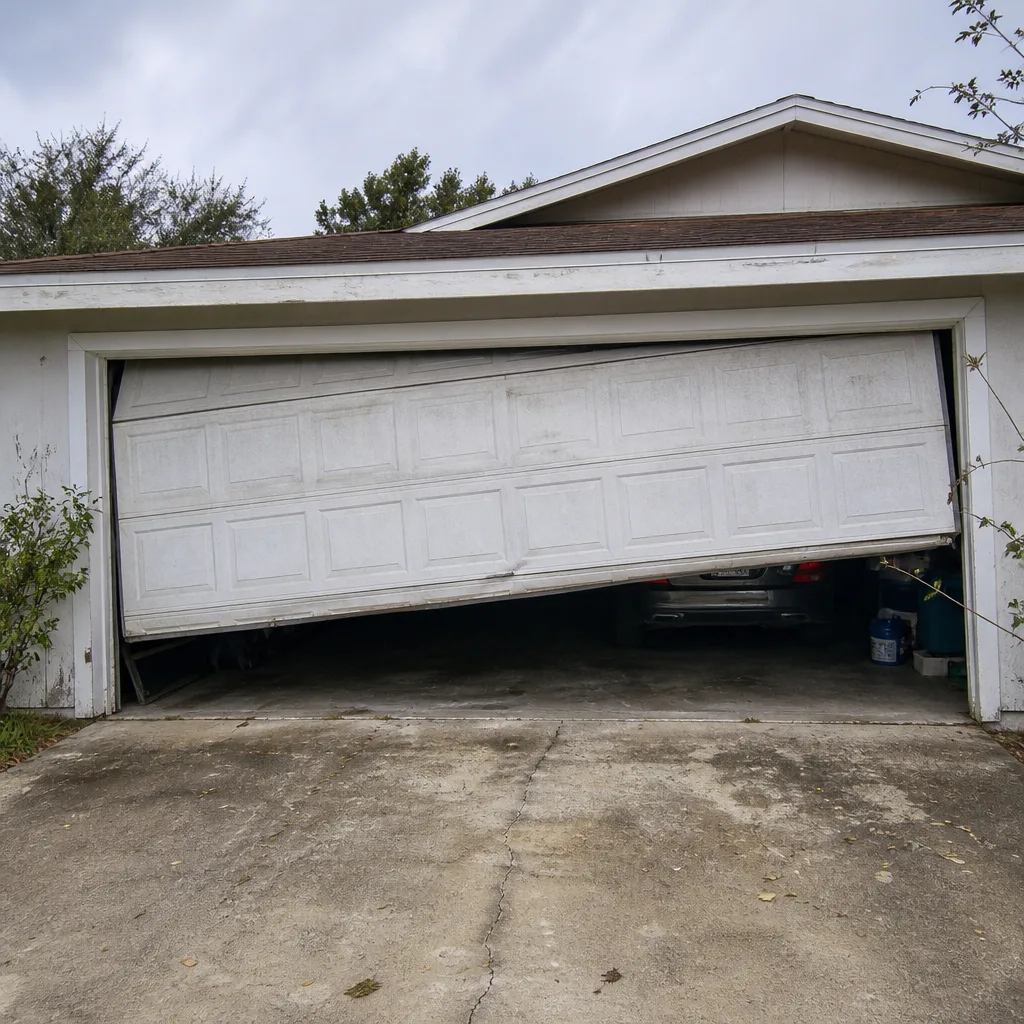 Before
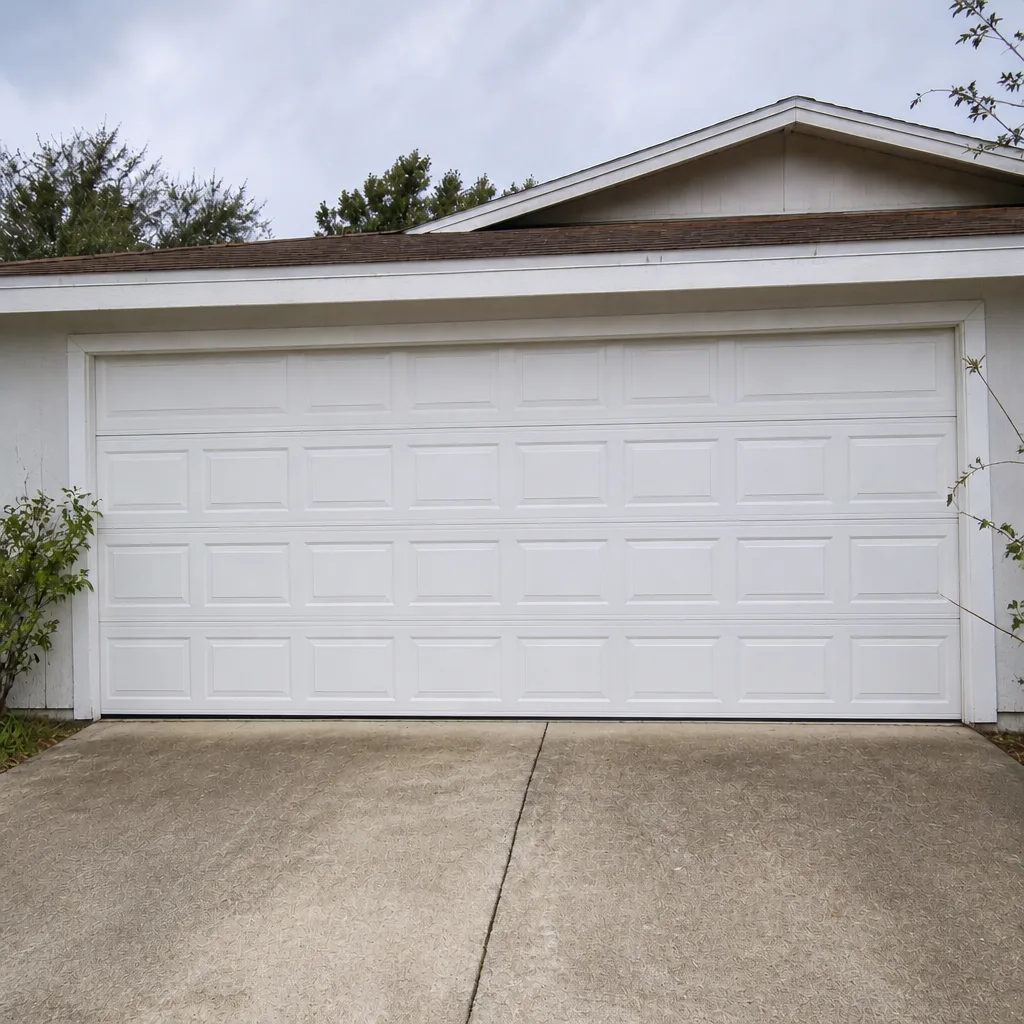 After
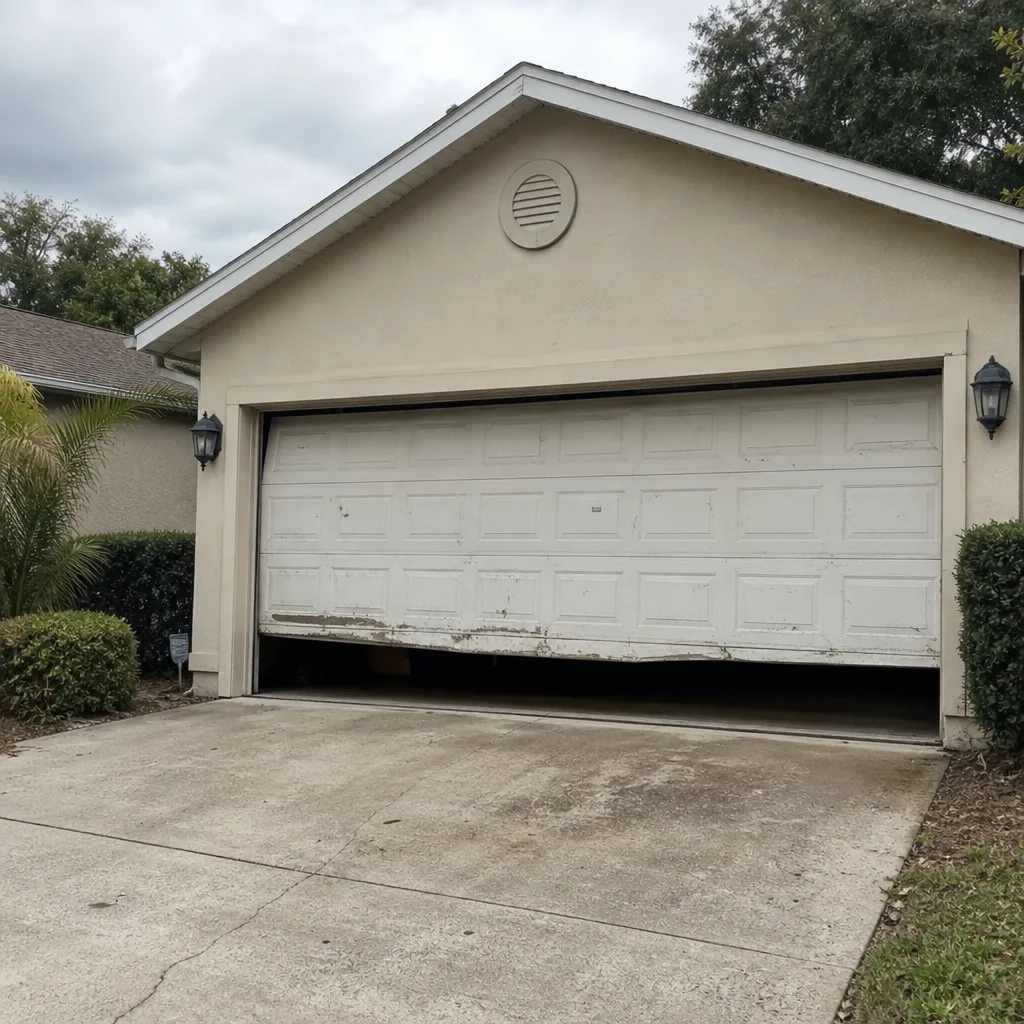 Before
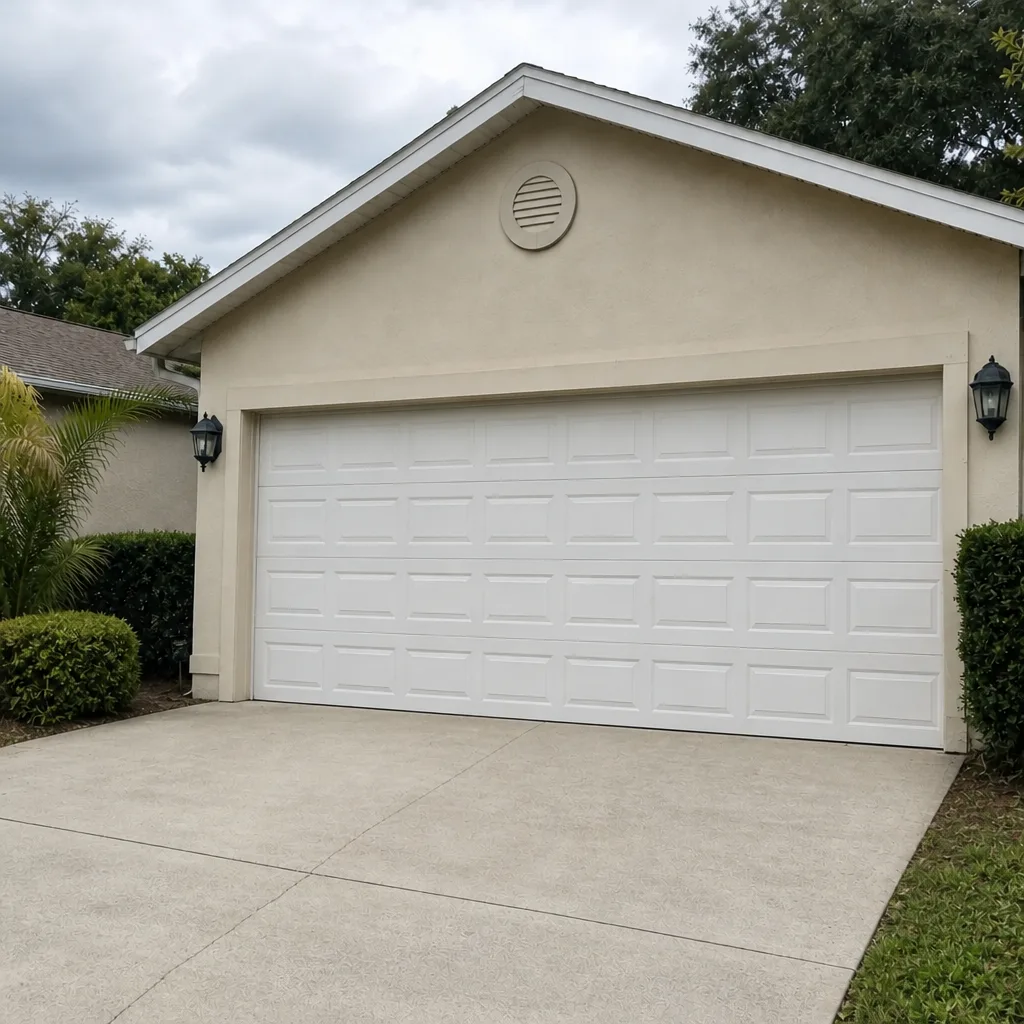 After
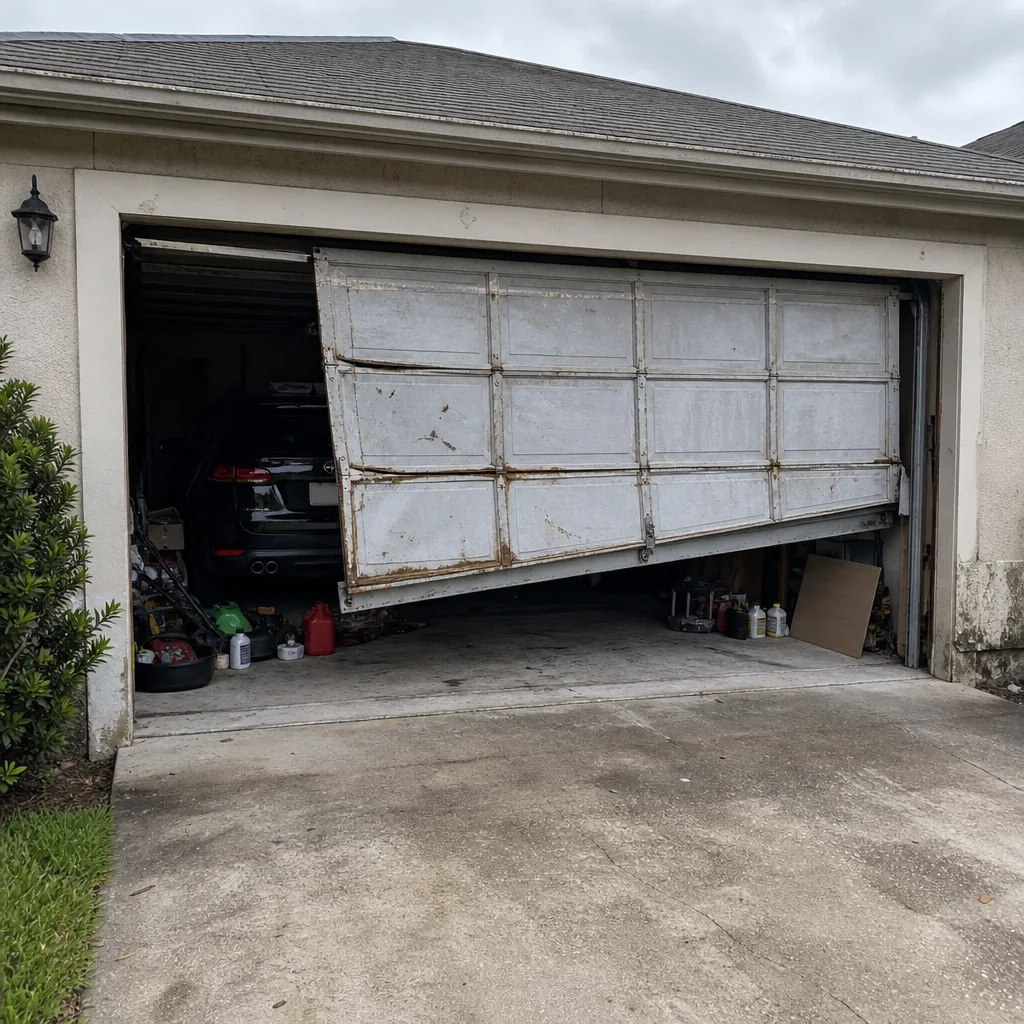 Before
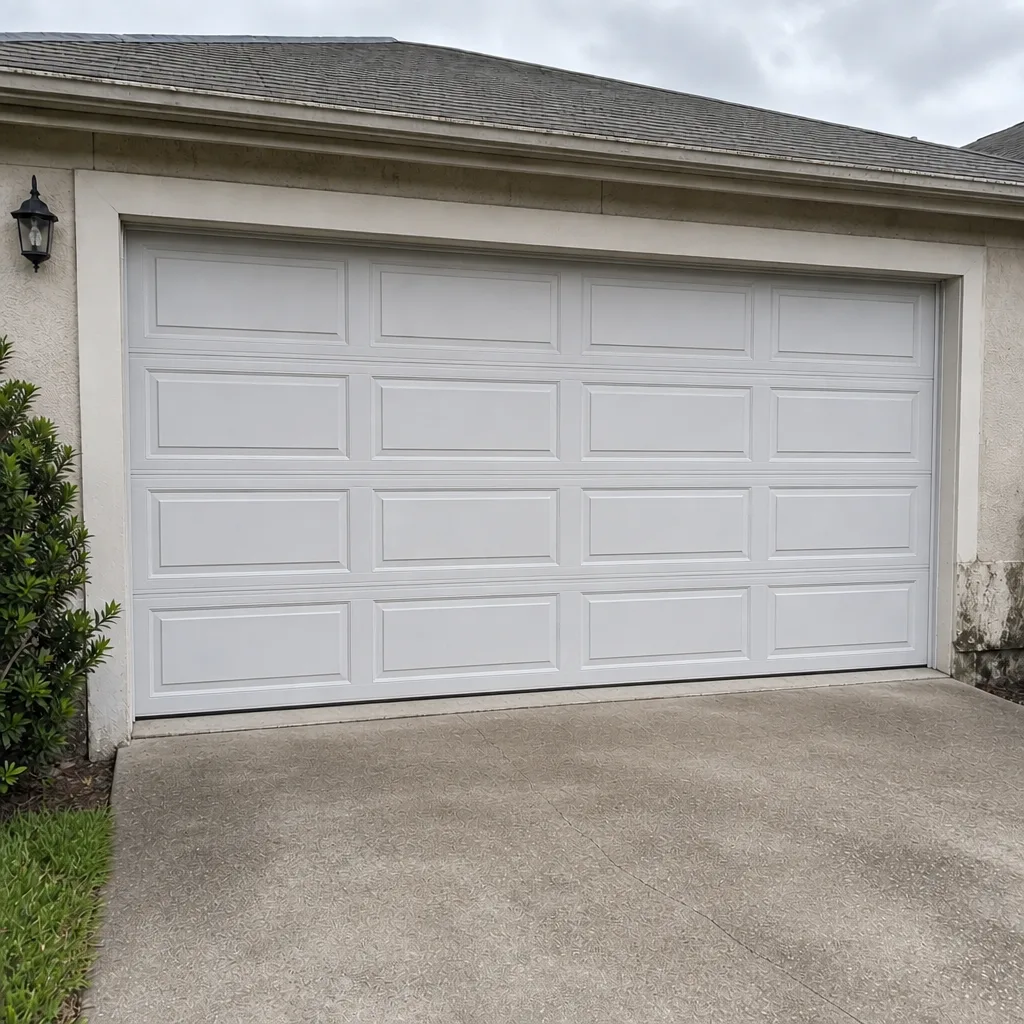 After
When to Call a Professional
Call us when the door won’t open or close, when a spring has visibly snapped, when the door is hanging off its tracks, when the opener won’t lift the door or reverses repeatedly, or when you’re not sure what’s wrong and want a straight diagnosis instead of a guess. If the door is off its tracks or the spring has broken, don’t try to force it – call first. Wesley Chapel Garage Door Repair Pros offers free estimates in Wesley Chapel – call (877) 657-1302. We answer 24/7. Fast dispatch from 7am to 7pm, Sunday through Friday. Spring repair, opener repair, and full installations are all handled by the same team, so you don’t need a second vendor as your needs change. Our experienced technicians work on the brand already in your garage, and the price is quoted and agreed before any work starts.
Frequently Asked Questions
Spring repair in Wesley Chapel typically costs $180 to $340 for one spring, and a matched pair is usually replaced together, so expect roughly twice that range for a pair. Prices vary with door size, spring type, and access, and the written estimate you receive before work starts is the price you pay. For an exact quote, call (877) 657-1302 – estimates are free.
Yes, in most cases. A door that won’t close is a security problem, and it’s the kind of call we prioritize for same-day response. Call (877) 657-1302. We answer 24/7. Fast dispatch from 7am to 7pm, Sunday through Friday. A call outside dispatch hours is booked into the next opening, Sunday through Friday, 7am to 7pm.
No. The price is quoted and agreed before any work starts. If we find something during the job that changes the scope, we tell you before proceeding. The written estimate is the price.
We work on the major residential brands, including Clopay, Amarr, Wayne Dalton, and Raynor for doors, and LiftMaster, Chamberlain, Genie, and Craftsman for openers. That coverage means we’re rarely looking at a system we haven’t worked on, which speeds diagnosis and gets the right part the first time.
Repair usually makes sense when the door is structurally sound and a single component has failed – a spring, a cable, a roller, or a seal. Replacement makes sense when the door has multiple failures at once, damaged panels, or is under-reinforced for its opener and daily use. A free estimate tells you which applies to your door.
Yes. A stuck, broken, or unsecured door is a security issue, and emergency service is part of what we offer, not an add-on. Call (877) 657-1302. We answer 24/7. Fast dispatch from 7am to 7pm, Sunday through Friday.
The local professionals we connect you with are licensed and insured as their state requires, and they’re experienced with the brands listed above. Every job starts with a written estimate before any work begins.
That depends on door size, material, insulation, and opener requirements. Because installation is measured and ordered, we start with a free measure and a written price rather than promising same-day service. Call (877) 657-1302 for a free estimate.
The Bottom Line
Wesley Chapel’s garage doors are predictable because they were built that way. The same builder packages went into the same subdivisions, so the same springs, cables, and openers wear out on roughly the same schedule. Understanding your door’s data plate, recognizing the humidity and storm-season wear patterns, and knowing when to repair versus replace gives you control over the decision. Most problems come down to a spring, a cable, a seal, or an opener – all fixable. When in doubt, don’t force a door that won’t move or try to replace a spring yourself. Garage door repair starts with a straight diagnosis and a written price before any work begins. For a free estimate, call (877) 657-1302. We answer 24/7. Fast dispatch from 7am to 7pm, Sunday through Friday.
If you’re looking for the team that handles the full scope from worn springs to full replacements, Wesley Chapel Garage Door Repair Pros covers repair, opener service, spring repair, and installation across the brand already in your garage.
Written by the team at Wesley Chapel Garage Door Repair Pros.